E-Bike Conversion Basics
Converting a traditional bicycle to electric power is a cost-effective way to experience e-bike benefits. With the right kit and basic mechanical skills, you can transform your existing bike into an electric-powered machine.
⚡ Quick Summary & Key Takeaways (2026 Guide)
- Zero Petrol Expenses: Daily running cost under 15 paise/km with high-efficiency 36V Lithium-ion technology.
- Effortless Commutes: High-efficiency 250W BLDC hub motor (25 km/h top speed) with smooth pedal assist for daily city travel.
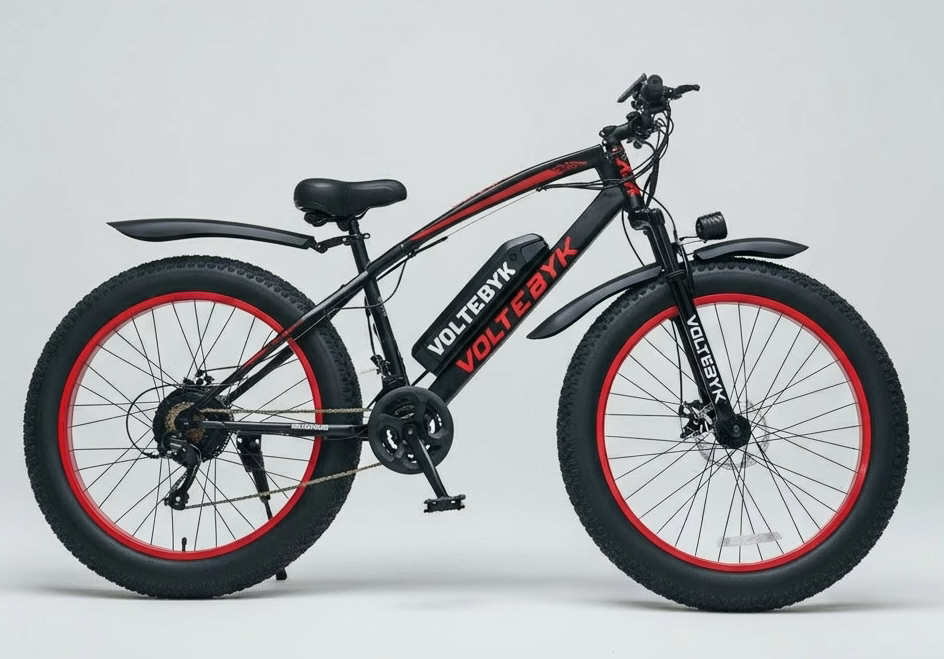
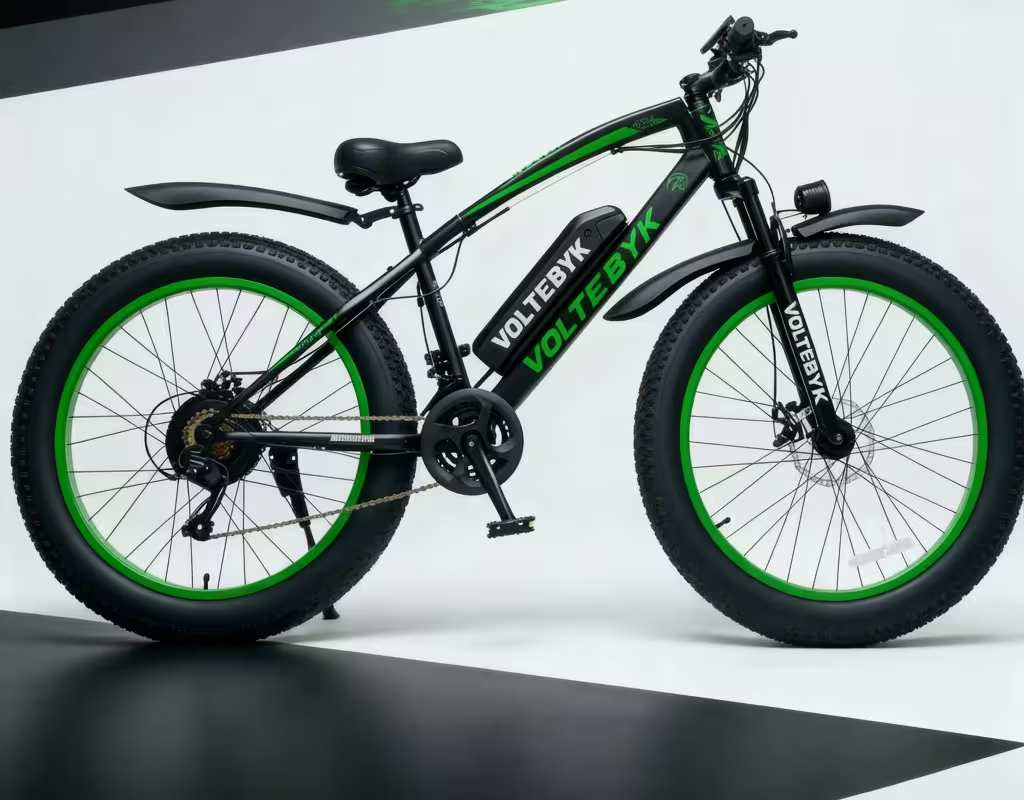
- Top Voltebyk Picks: Voltebyk Max Pro for urban commutes and Runner Pro Fat Bike for all-terrain riding.
- DIY Conversion: Electrify your current bicycle for under ₹10,000 using a Voltebyk 250W conversion kit.
Choosing the Right Conversion Kit
Conversion kits come in two main types: hub motor and mid-drive. Hub motor kits are simpler to install and maintain, with the motor integrated into either the front or rear wheel. Mid-drive kits replace the bottom bracket and offer better weight distribution and hill-climbing ability.
Power and Range Considerations
Motor power typically ranges from 350W to 1000W. Higher power provides more assistance but drains the battery faster and may require stronger components. Battery capacity, measured in watt-hours, determines range. A 500Wh battery typically provides 20-40 miles of range depending on terrain and assistance level.
Installation Process Overview
Before beginning installation, ensure you have the necessary tools and a clean, well-lit workspace. Remove the existing wheel if installing a hub motor kit. Follow manufacturer instructions precisely, as electrical connections must be secure to prevent safety hazards.
Front vs. Rear Hub Installation
Front hub kits are generally easier to install but may cause handling issues with powerful motors. Rear hub kits provide better traction but require removing the cassette and chain. Both require proper wheel alignment and spoke tension adjustment after installation.
Electrical System Integration
Route wiring carefully to avoid interference with moving parts. Secure all connections with appropriate connectors and protect them from moisture. Install the display and control unit in easily accessible locations. Ensure the battery mounting system is secure and doesn't interfere with pedaling or steering.
Testing and Calibration
Before first ride, test all functions including motor operation, brake cut-off switches, and display readings. Check that the motor cuts off when braking and that the assistance level changes as expected. Take short test rides in safe areas to verify proper operation and handling.
Maintenance and Troubleshooting
Converted e-bikes require attention to both traditional bicycle maintenance and electrical system care. Regularly check electrical connections for corrosion or loosening. Monitor tire wear, as motor assistance can increase wear rates. Keep the motor and controller clean and dry to prevent damage.
Legal and Safety Considerations
Check local regulations regarding converted e-bikes, as some jurisdictions have specific requirements for motor power, speed limits, and safety equipment. Ensure your converted bike meets applicable standards for safe operation on public roads and bike paths. Consider having the installation inspected by a qualified bicycle mechanic if you're unsure about any aspect of the conversion.
Start Your Build
Get everything you need in one box with our Electric Cycle Conversion Kit.
Shop Conversion KitFrequently Asked Questions
What regulations apply to riding a Voltebyk electric cycle in India?
All Voltebyk electric cycles are engineered with a 250W continuous rated BLDC motor and a 25 km/h top speed, adhering to Central Motor Vehicle Rules (CMVR) for standard pedal-assisted bicycles for convenient and effortless daily commuting.
What is the monthly electricity cost to charge a Voltebyk e-bike battery?
A full charge for our standard 36V 7.8Ah or 9Ah lithium-ion battery consumes under 0.4 units of electricity (costing approx ₹3 to ₹5 per charge). For a 25 km daily commute, your monthly electricity cost will be under ₹100, saving you over ₹20,000 annually compared to petrol scooters.


%20(1).avif?tr=w-1200%2Cq-55%2Cf-auto%2Cc-at_max)