Lithium-Ion Battery Fundamentals
Modern e-bike batteries are predominantly lithium-ion, offering an optimal balance of energy density, weight, and lifespan. Understanding how these batteries work can help you maximize performance and longevity of your e-bike investment.
⚡ Quick Summary & Key Takeaways (2026 Guide)
- Zero Petrol Expenses: Daily running cost under 15 paise/km with high-efficiency 36V Lithium-ion technology.
- Effortless Commutes: High-efficiency 250W BLDC hub motor (25 km/h top speed) with smooth pedal assist for daily city travel.
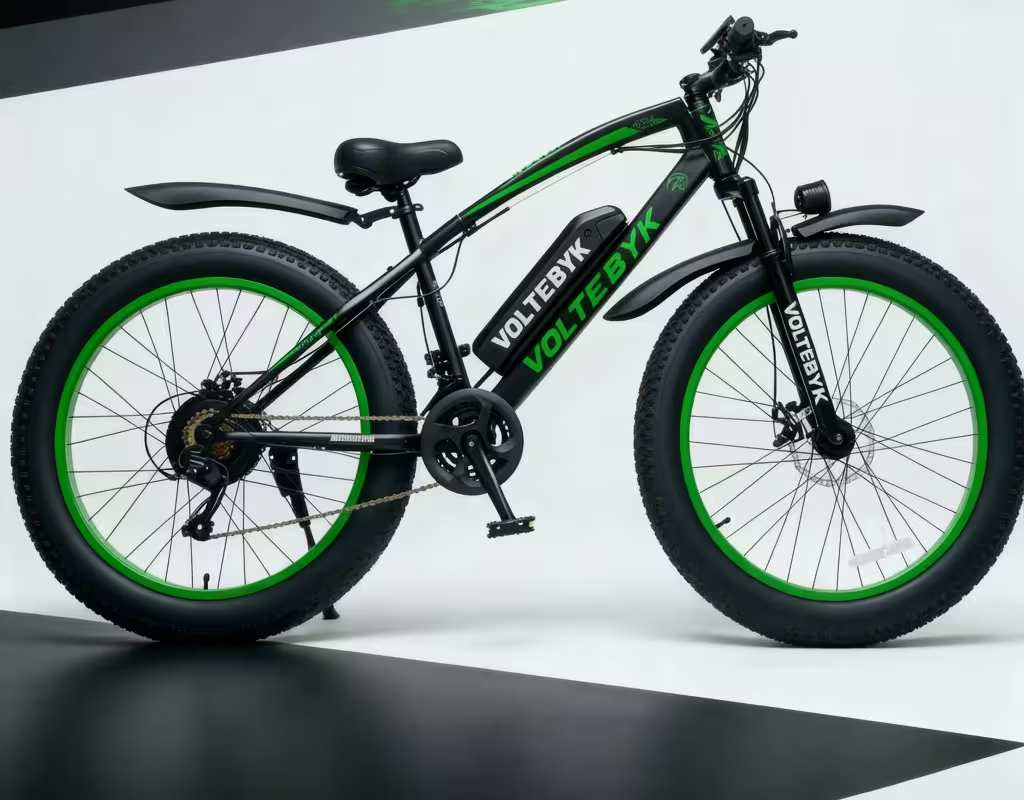
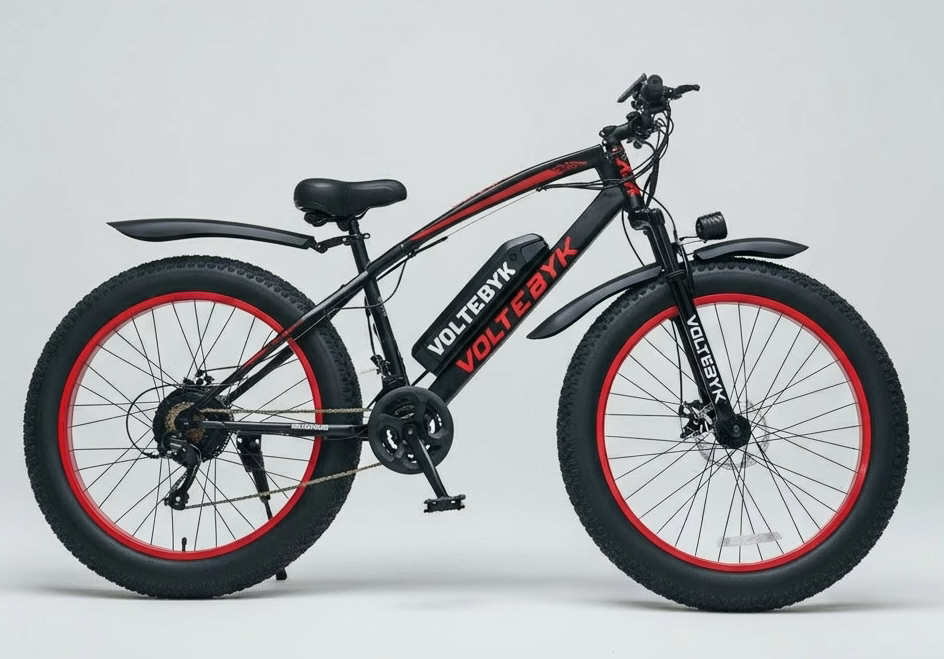
- Top Voltebyk Picks: Voltebyk Max Pro for urban commutes and Runner Pro Fat Bike for all-terrain riding.
- DIY Conversion: Electrify your current bicycle for under ₹10,000 using a Voltebyk 250W conversion kit.
Battery Chemistry and Construction
Lithium-ion batteries consist of multiple cells connected in series and parallel configurations to achieve desired voltage and capacity. Each cell contains a cathode (positive terminal), anode (negative terminal), and electrolyte that facilitates ion flow during charging and discharging cycles.
Cell Types and Performance
NMC (Nickel Manganese Cobalt) cells are common in e-bikes due to their good energy density and stability. LFP (Lithium Iron Phosphate) cells offer longer lifespans and better safety but at the cost of lower energy density. Newer technologies like lithium titanate provide faster charging but are more expensive.
Charging Cycles and Battery Lifespan
A charging cycle represents a full discharge and recharge of the battery. Most e-bike batteries maintain 80% of their original capacity after 500-800 cycles. Partial discharges count proportionally toward cycle life, so occasional deep discharges won't significantly impact lifespan if balanced with shallow discharges.
Temperature Effects
Extreme temperatures significantly affect battery performance and longevity. Charging below freezing can cause lithium plating, permanently damaging cells. Operating in high temperatures accelerates chemical degradation. Most quality e-bike batteries include thermal management systems to mitigate these effects.
Maximizing Battery Performance
Store batteries at partial charge (40-60%) when not in use for extended periods. Avoid complete discharges, as this stresses the battery chemistry. Use manufacturer-approved chargers to prevent overcharging or incorrect voltage application. Regular use helps maintain battery health, as prolonged storage can lead to capacity loss.
Monitoring and Maintenance
Modern e-bike batteries include Battery Management Systems (BMS) that monitor cell voltage, temperature, and charge state. Pay attention to the battery indicator on your display and avoid continuing to ride when the battery is critically low. Periodic full discharge and recharge can help recalibrate the BMS for accurate range estimation.
Future Battery Technologies
Research into solid-state batteries promises even higher energy density and faster charging with improved safety. Silicon anode technologies could increase capacity by 20-40% compared to current graphite anodes. Recycling technologies are also advancing, with new processes recovering over 95% of battery materials for reuse in new batteries.
Frequently Asked Questions
What regulations apply to riding a Voltebyk electric cycle in India?
All Voltebyk electric cycles are engineered with a 250W continuous rated BLDC motor and a 25 km/h top speed, adhering to Central Motor Vehicle Rules (CMVR) for standard pedal-assisted bicycles for convenient and effortless daily commuting.
What is the monthly electricity cost to charge a Voltebyk e-bike battery?
A full charge for our standard 36V 7.8Ah or 9Ah lithium-ion battery consumes under 0.4 units of electricity (costing approx ₹3 to ₹5 per charge). For a 25 km daily commute, your monthly electricity cost will be under ₹100, saving you over ₹20,000 annually compared to petrol scooters.
Ready to Transform Your Daily Commute?
Stop wasting hours sitting in city traffic and spending thousands on petrol. Upgrade your lifestyle with a Voltebyk electric cycle today! Explore our complete lineup in the electric cycles catalog, convert your current bike with a 250W e-bike conversion kit, shop genuine electric cycle spares, or locate your nearest store with our store locator today!