When selecting an electric bicycle, one of the most fundamental choices riders face is deciding between a multi-speed geared cycle and a single-speed (non-gear) drivetrain. From an electrical engineering and physics standpoint, the debate surrounding a gear vs non gear cycle directly affects overall motor efficiency, thermal dissipation, battery discharge curves, and long-term mechanical reliability on Indian road gradients.
⚡ Quick Summary & Key Takeaways (2026 Guide)
- Zero Petrol Expenses: Daily running cost under 15 paise/km with high-efficiency 36V Lithium-ion technology.
- Effortless Commutes: High-efficiency 250W BLDC hub motor (25 km/h top speed) with smooth pedal assist for daily city travel.
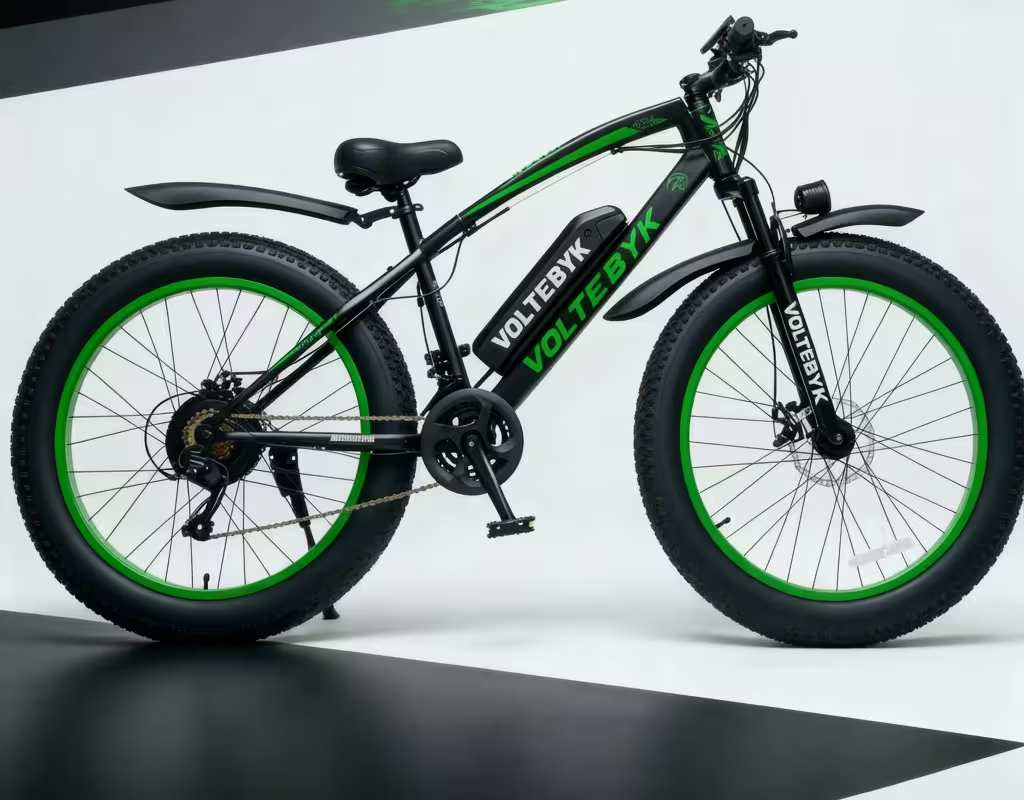
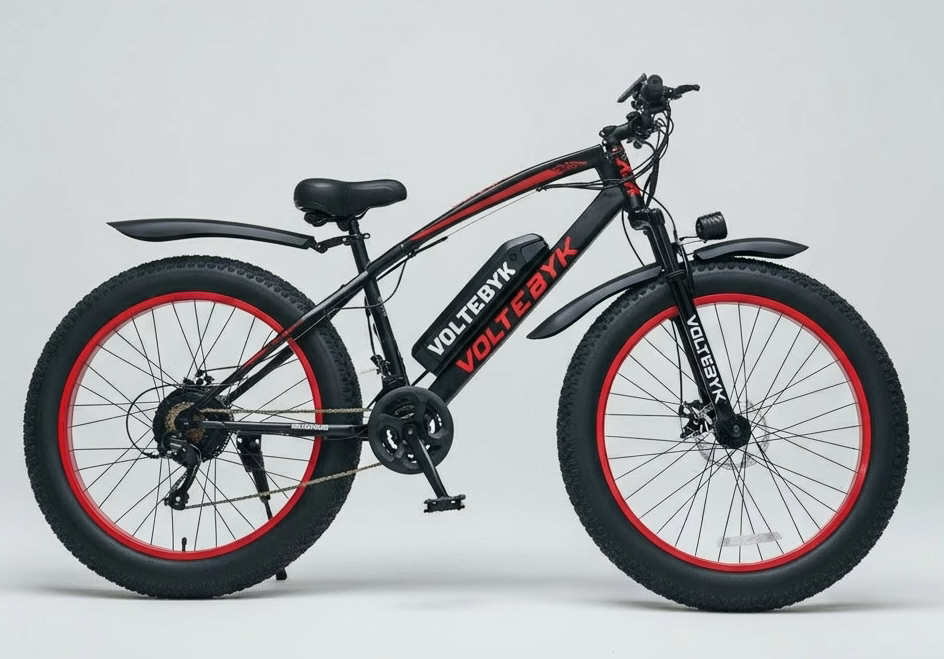
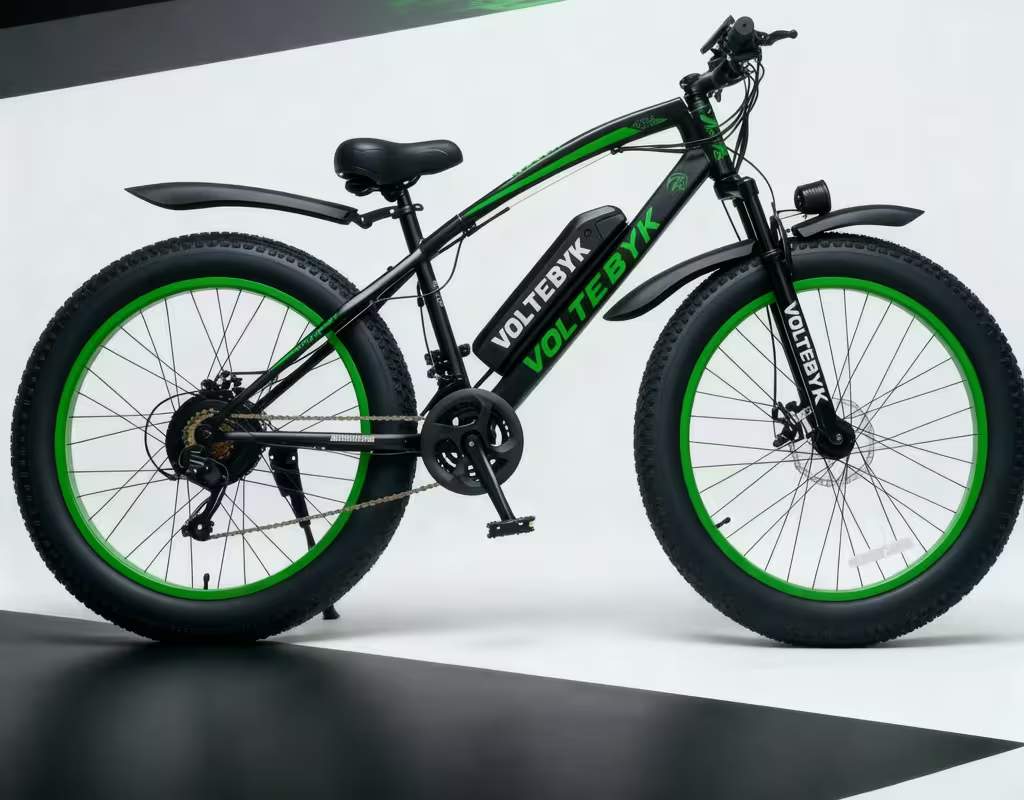
- Top Voltebyk Picks: Voltebyk Max Pro for urban commutes and Runner Pro Fat Bike for all-terrain riding.
- DIY Conversion: Electrify your current bicycle for under ₹10,000 using a Voltebyk 250W conversion kit.
Drivetrain Mechanics: Gear vs Non Gear Cycle Dynamics
In a standard non-geared electric cycle, the rear wheel hub motor operates at a fixed mechanical gear ratio relative to pedal cadence. While this system offers simplicity and low maintenance, the electric motor must deliver high torque at low RPMs whenever climbing steep flyovers or starting from a complete standstill under heavy payload.
Conversely, a multi-speed geared electric cycle equipped with Shimano or Microshift derailleur systems allows the rider to adjust pedal cadence. Lower gear ratios increase mechanical leverage during uphill climbs, allowing both the human rider and the 250W BLDC motor to maintain an optimal RPM band where electrical conversion efficiency exceeds 80%.
Thermal Management and Battery Energy Draw
Electric hub motors operate most efficiently when spinning near their rated operating RPM. Forcing a 250W motor to lug at low RPMs under high throttle loads increases current draw from the 36V lithium-ion battery. This high current draw generates internal heat within the stator coils according to Joule's Law ($P = I^2 R$).
By utilizing proper gear shifts, riders reduce peak current spikes, keeping battery temperature lower and extending overall battery cycle life. This thermal efficiency is why geared models like the Laux Pro Electric Cycle excel on hilly terrains without compromising thermal safety.
Comparing Geared vs Single-Speed Voltebyk Models
To help you choose the ideal configuration for your terrain, consider these Voltebyk models built for distinct riding conditions:
- Voltebyk Max Pro (Single-Speed): View Max Pro - Powered by a 250W BLDC motor and 36V 7.8Ah battery (₹23,990). Ultra-reliable, zero gear tuning needed for flat city routes.
- Voltebyk Eco-Bike Electric (Geared MTB): View Eco-Bike - Combines a 250W motor with multi-speed gearing for steep incline climbing at ₹27,990.
- Runner Pro Fat Bike (Geared All-Terrain): View Runner Pro - High-torque fat bike featuring a 36V 9Ah battery delivering 50 km range for ₹43,990.
Frequently Asked Questions
Is a gear cycle harder to maintain than a non-gear electric cycle?
Single-speed non-gear cycles require fewer derailleur adjustments. However, modern 7-speed and 21-speed geared e-bikes use indexed shifters that require minimal tuning every 6 months. Replacement cables and chains are readily available in our spares store.
Does a geared e-bike provide more battery range than a non-geared e-bike?
Yes, on routes with frequent stops, starts, or inclines, using lower mechanical gears reduces motor strain, saving up to 15–20% battery energy per trip.
Final Recommendation
If your daily ride consists of flat urban roads, a single-speed model delivers hassle-free simplicity. If your commute includes flyovers, steep hills, or mixed terrain, a geared e-bike is the superior choice. Explore our complete range of Voltebyk electric bicycles or check our DIY conversion kits to upgrade your existing bicycle today!