Can You Build an Electric Cycle Under Rs 10,000?
Yes, if you already own a good bicycle frame, a conversion kit can be the cheapest way to start riding electric. The key is selecting a reliable kit with the right motor size, compatible wheel, and safe battery setup.
⚡ Quick Summary & Key Takeaways (2026 Guide)
- Zero Petrol Expenses: Daily running cost under 15 paise/km with high-efficiency 36V Lithium-ion technology.
- Effortless Commutes: High-efficiency 250W BLDC hub motor (25 km/h top speed) with smooth pedal assist for daily city travel.
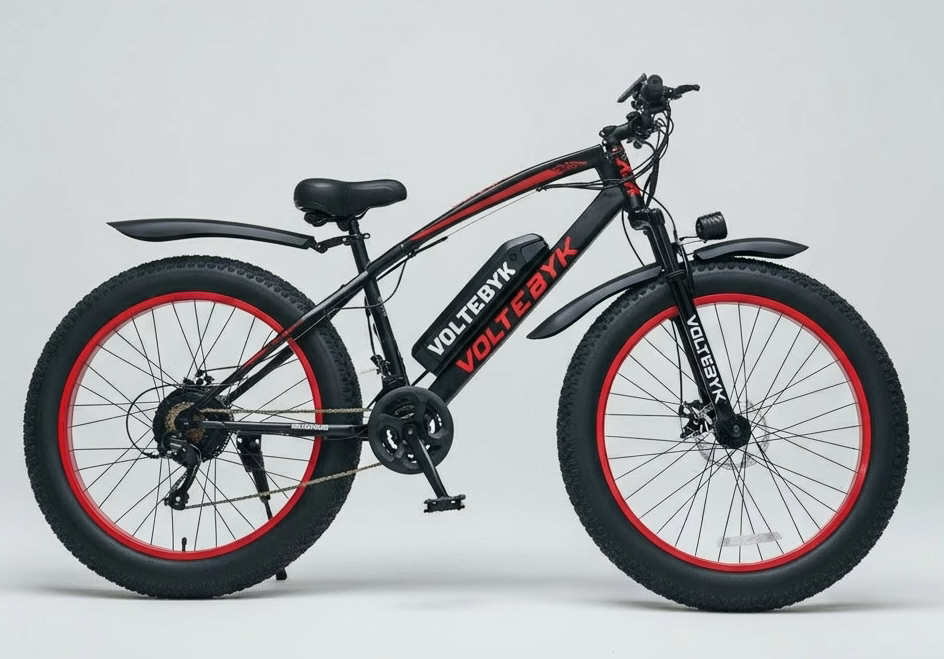
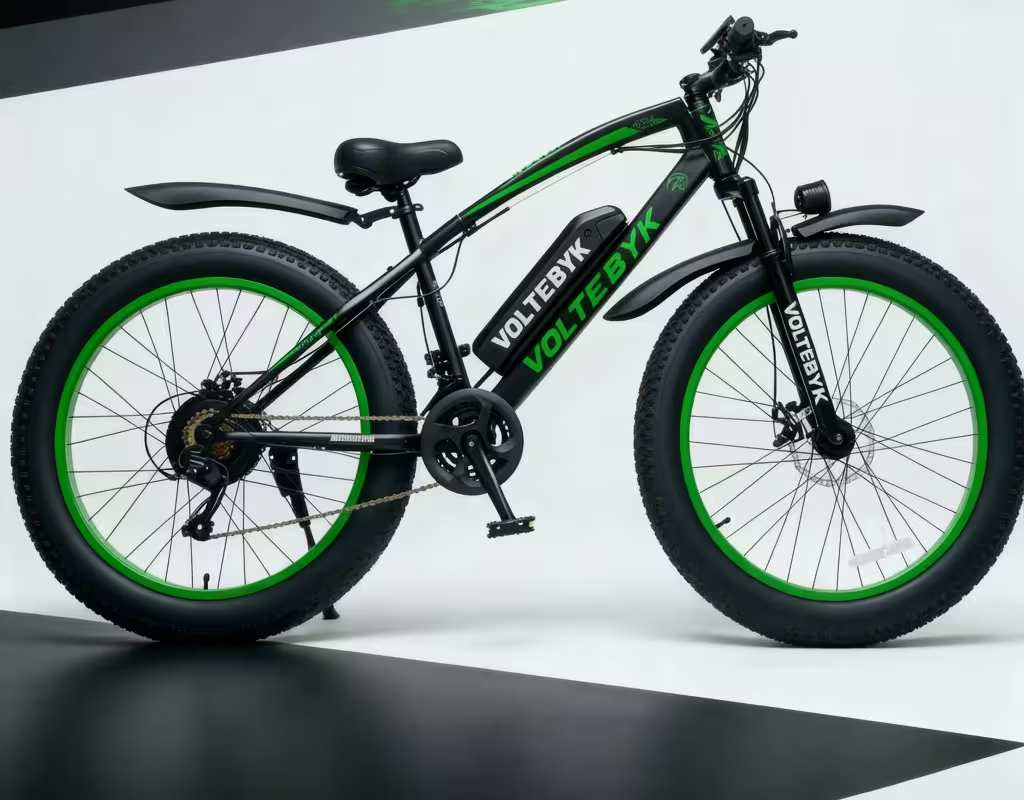
- Top Voltebyk Picks: Voltebyk Max Pro for urban commutes and Runner Pro Fat Bike for all-terrain riding.
- DIY Conversion: Electrify your current bicycle for under ₹10,000 using a Voltebyk 250W conversion kit.
What You Should Expect in This Budget
- 350W hub motor (legal low-speed category for daily city use)
- Basic controller with throttle support
- Entry-level battery options (range depends on Ah capacity)
- Charger and wiring harness in most bundled kits
If your budget is fixed at Rs 10,000, prioritize motor quality + controller reliability. Battery capacity can be upgraded later.
Best Value Picks Under Rs 10,000
| Kit Type | Typical Price | Best For |
|---|---|---|
| Front Hub Kit (350W) | Rs 7,500 - Rs 9,500 | Flat city rides and quick installs |
| Rear Hub Kit (350W) | Rs 8,500 - Rs 10,000 | Better traction and climbing support |
| DIY Core Kit (without battery) | Rs 5,500 - Rs 7,500 | Users planning a custom battery upgrade |
Buying Checklist Before You Order
- Wheel Size Match: Confirm 26T, 27.5T, or 29T compatibility.
- Brake Type: Check if your cycle uses V-brake or disc-brake mounts.
- Battery Warranty: Minimum 6-12 months is recommended.
- Controller Current: Ensure motor-controller pairing is safe and tuned.
- After-Sales Support: Spare parts availability matters more than low upfront cost.
Who Should Buy a Sub-10K Conversion Kit?
This budget range works best for students, short-distance commuters, and riders who already own a solid bicycle. For daily heavy usage or longer 25-40 km rides, consider stepping up to a larger battery kit from our electric cycle kit collection.
Need Help Choosing the Right Kit?
Compare wheel size, battery options, and budget-friendly kits built for Indian roads.
Explore Conversion KitsUnderstanding Voltebyk 250W BLDC Technology & Engineering
Every Voltebyk electric bicycle and conversion kit is engineered specifically for Indian road conditions and weather extremes. At the core of our propulsion system is a high-torque 250W Brushless DC (BLDC) hub motor that delivers instantaneous acceleration without heat buildup or mechanical friction. Paired with a 36V detachable Lithium-ion battery pack (available in 7.8Ah and 9Ah variants), Voltebyk e-bikes offer an impressive range of up to 35 km to 50 km per single charge.
Our intelligent 5-level Pedal Assist System (PAS) uses cadence sensors to monitor your pedaling effort seamlessly, supplying motor power exactly when needed on steep flyover inclines or headwinds. Additionally, all Voltebyk electrical components—including the motor, controller, battery casing, and LED display—are rated IP65 water-resistant. This ensures total peace of mind when riding through heavy Indian monsoons or dusty terrain. With dual mechanical disc brakes and safety motor cut-off levers, Voltebyk provides uncompromised safety and premium comfort for daily commuters across India.
Frequently Asked Questions
What regulations apply to riding a Voltebyk electric cycle in India?
All Voltebyk electric cycles are engineered with a 250W continuous rated BLDC motor and a 25 km/h top speed, adhering to Central Motor Vehicle Rules (CMVR) for standard pedal-assisted bicycles for convenient and effortless daily commuting.
What is the monthly electricity cost to charge a Voltebyk e-bike battery?
A full charge for our standard 36V 7.8Ah or 9Ah lithium-ion battery consumes under 0.4 units of electricity (costing approx ₹3 to ₹5 per charge). For a 25 km daily commute, your monthly electricity cost will be under ₹100, saving you over ₹20,000 annually compared to petrol scooters.
.jpg?tr=w-1200%2Cq-55%2Cf-auto%2Cc-at_max)