The Interconnection: Climate Crisis and Energy Crisis
Climate change intensifies extreme weather events, disrupting global fuel supplies. Simultaneously, fossil fuel combustion accelerates climate change. Electric cycles break this vicious cycle by offering renewable, sustainable commuting.
⚡ Quick Summary & Key Takeaways (2026 Guide)
- Zero Petrol Expenses: Daily running cost under 15 paise/km with high-efficiency 36V Lithium-ion technology.
- Effortless Commutes: High-efficiency 250W BLDC hub motor (25 km/h top speed) with smooth pedal assist for daily city travel.
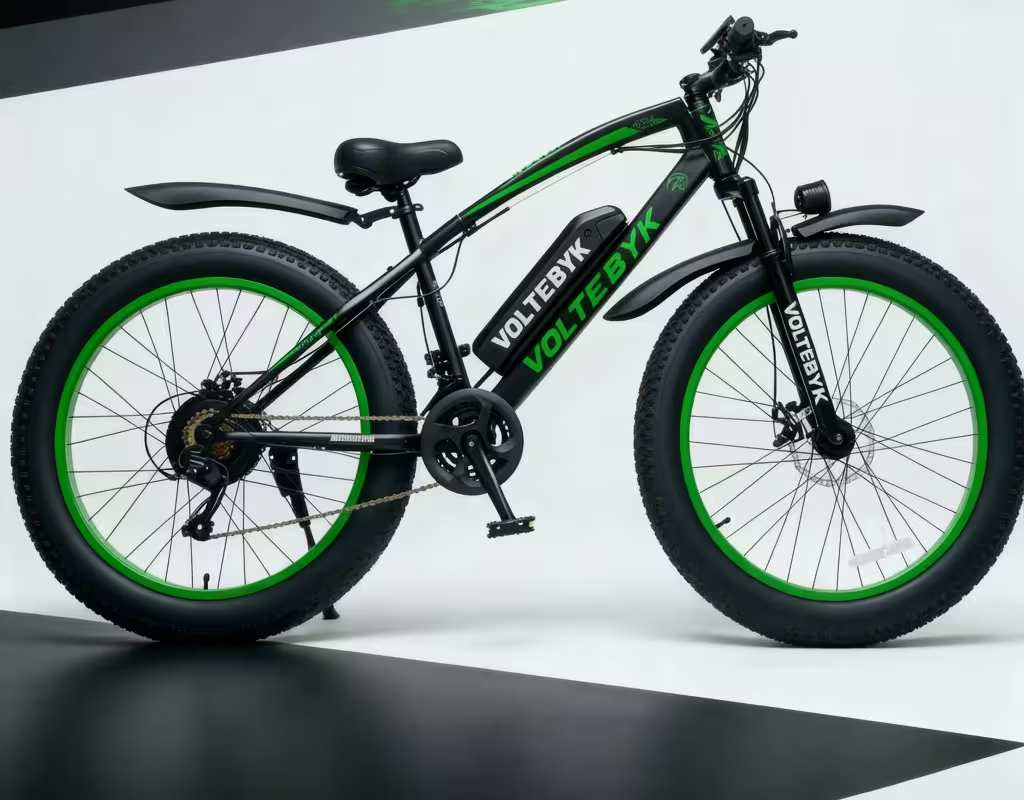
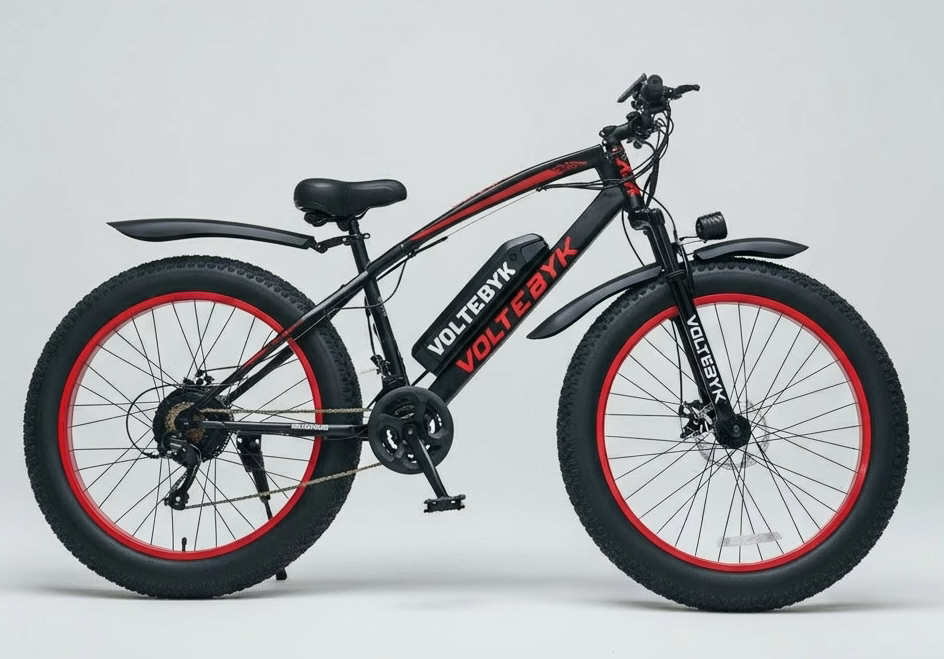
- Top Voltebyk Picks: Voltebyk Max Pro for urban commutes and Runner Pro Fat Bike for all-terrain riding.
- DIY Conversion: Electrify your current bicycle for under ₹10,000 using a Voltebyk 250W conversion kit.
Carbon Footprint Comparison
Emissions from Traditional Two-Wheelers
A petrol two-wheeler emits approximately 50 grams of CO2 per km. For a 20 km daily commute, that's 10 kg CO2 daily or 3.65 metric tons annually.
Impact of Electric Cycles
An electric cycle produces zero direct emissions. Even accounting for electricity generation (India's grid mix), an e-cycle's carbon footprint is 60-70% lower than petrol vehicles.
Air Quality Improvements
In Indian cities facing severe air pollution, every petrol vehicle removed from roads helps. Wide adoption of electric bicycles could reduce urban air pollution by 25-30% in metropolitan areas.
Energy Security and Climate Resilience
Reducing petroleum dependency through electric cycle technology strengthens climate resilience by decreasing vulnerability to fuel supply shocks caused by geopolitical events or climate disasters.
Supporting Clean Energy Transition
As India transitions to 50% renewable energy by 2030, the grid becomes cleaner. Charging e-cycles today means accessing increasingly clean electricity tomorrow.
Individual and Collective Impact
Each person switching to an electric cycle removes 3.65 metric tons of CO2 annually. If 10 million commuters make the switch, India eliminates 36.5 million metric tons of CO2 per year.
Your Role in the Solution
By choosing an electric bike, you're not just solving personal transportation—you're actively contributing to climate stabilization and energy security.
Frequently Asked Questions
What regulations apply to riding a Voltebyk electric cycle in India?
All Voltebyk electric cycles are engineered with a 250W continuous rated BLDC motor and a 25 km/h top speed, adhering to Central Motor Vehicle Rules (CMVR) for standard pedal-assisted bicycles for convenient and effortless daily commuting.
What is the monthly electricity cost to charge a Voltebyk e-bike battery?
A full charge for our standard 36V 7.8Ah or 9Ah lithium-ion battery consumes under 0.4 units of electricity (costing approx ₹3 to ₹5 per charge). For a 25 km daily commute, your monthly electricity cost will be under ₹100, saving you over ₹20,000 annually compared to petrol scooters.
Ready to Transform Your Daily Commute?
Stop wasting hours sitting in city traffic and spending thousands on petrol. Upgrade your lifestyle with a Voltebyk electric cycle today! Explore our complete lineup in the electric cycles catalog, convert your current bike with a 250W e-bike conversion kit, shop genuine electric cycle spares, or locate your nearest store with our store locator today!