Getting Started with Installation
Installing an e-bike conversion kit is a rewarding DIY project. Before you start, ensure you have a standard toolkit including wrenches, screwdrivers, and cable ties.
⚡ Quick Summary & Key Takeaways (2026 Guide)
- Zero Petrol Expenses: Daily running cost under 15 paise/km with high-efficiency 36V Lithium-ion technology.
- Effortless Commutes: High-efficiency 250W BLDC hub motor (25 km/h top speed) with smooth pedal assist for daily city travel.
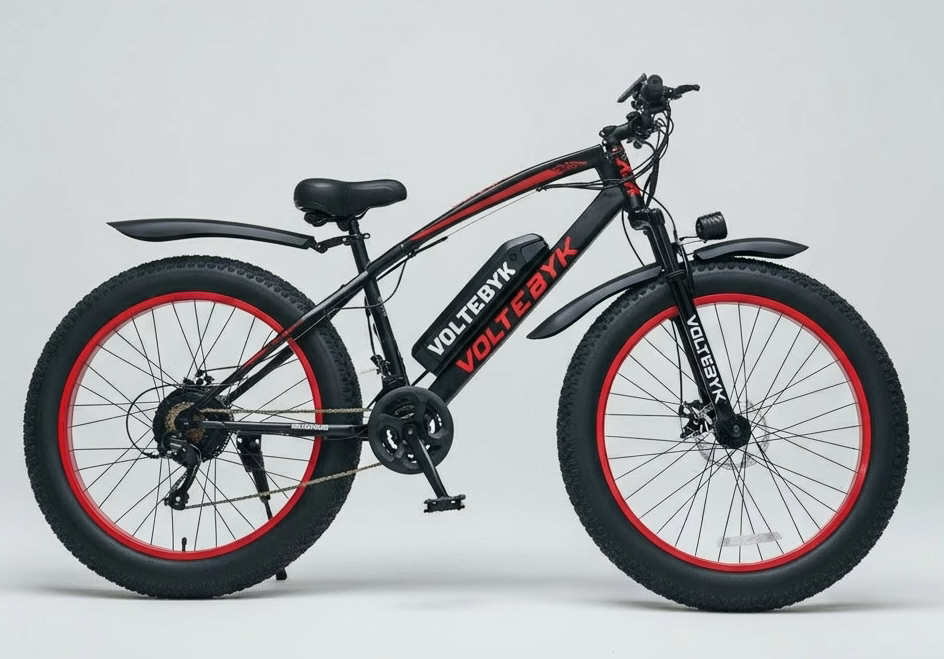
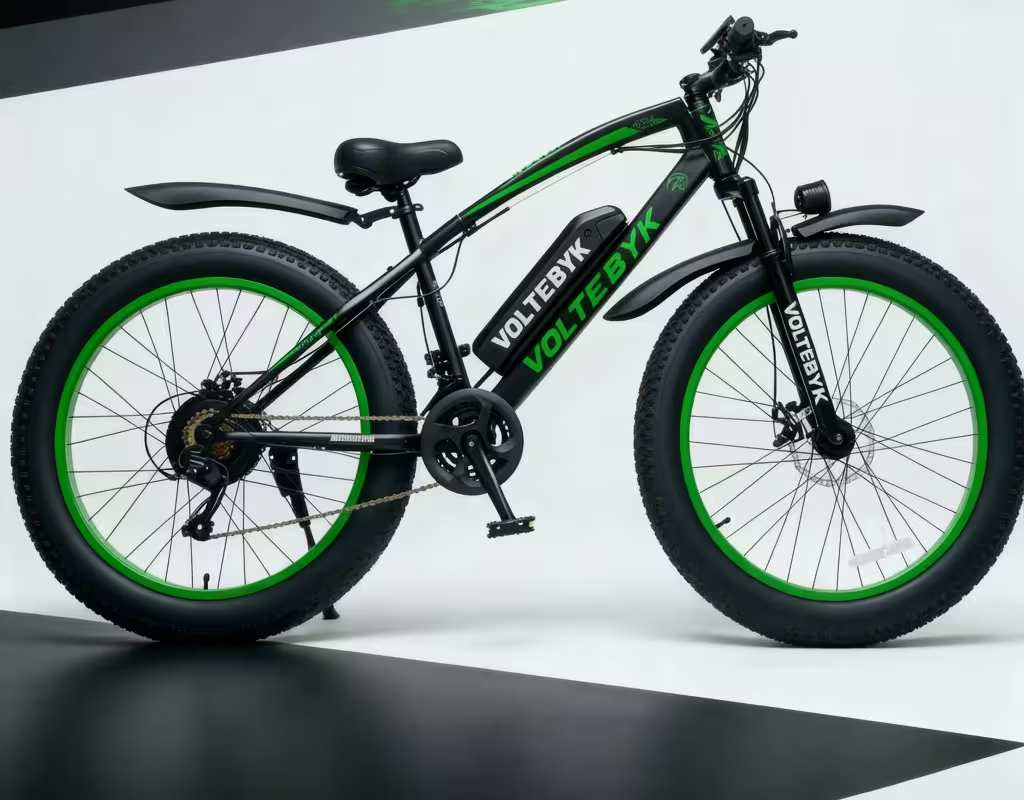
- Top Voltebyk Picks: Voltebyk Max Pro for urban commutes and Runner Pro Fat Bike for all-terrain riding.
- DIY Conversion: Electrify your current bicycle for under ₹10,000 using a Voltebyk 250W conversion kit.
Step-by-Step Installation
1. Wheel Installation
Remove your old wheel and replace it with the motorized wheel. Ensure the axle fits snugly in the dropouts and tighten the nuts securely. Use torque arms if the motor is powerful (over 500W) to prevent frame damage.
2. Battery and Controller
Mount the battery securely to the frame, usually on the downtube or rear rack. Connect the controller, ensuring all plugs are dry and firmly seated. Use a controller bag or box to protect it from the elements.
3. Wiring and Throttle
Route the cables along the frame using zip ties, leaving enough slack for steering. Install the throttle and display on the handlebars for easy access.
Safety First
Double-check all bolts before riding. Lift the wheel off the ground to test the motor safely. Always wear a helmet during test rides.
Understanding Voltebyk 250W BLDC Technology & Engineering
Every Voltebyk electric bicycle and conversion kit is engineered specifically for Indian road conditions and weather extremes. At the core of our propulsion system is a high-torque 250W Brushless DC (BLDC) hub motor that delivers instantaneous acceleration without heat buildup or mechanical friction. Paired with a 36V detachable Lithium-ion battery pack (available in 7.8Ah and 9Ah variants), Voltebyk e-bikes offer an impressive range of up to 35 km to 50 km per single charge.
Our intelligent 5-level Pedal Assist System (PAS) uses cadence sensors to monitor your pedaling effort seamlessly, supplying motor power exactly when needed on steep flyover inclines or headwinds. Additionally, all Voltebyk electrical components—including the motor, controller, battery casing, and LED display—are rated IP65 water-resistant. This ensures total peace of mind when riding through heavy Indian monsoons or dusty terrain. With dual mechanical disc brakes and safety motor cut-off levers, Voltebyk provides uncompromised safety and premium comfort for daily commuters across India.
Frequently Asked Questions
What regulations apply to riding a Voltebyk electric cycle in India?
All Voltebyk electric cycles are engineered with a 250W continuous rated BLDC motor and a 25 km/h top speed, adhering to Central Motor Vehicle Rules (CMVR) for standard pedal-assisted bicycles for convenient and effortless daily commuting.
What is the monthly electricity cost to charge a Voltebyk e-bike battery?
A full charge for our standard 36V 7.8Ah or 9Ah lithium-ion battery consumes under 0.4 units of electricity (costing approx ₹3 to ₹5 per charge). For a 25 km daily commute, your monthly electricity cost will be under ₹100, saving you over ₹20,000 annually compared to petrol scooters.


%20(1).avif?tr=w-1200%2Cq-55%2Cf-auto%2Cc-at_max)