India's Fuel Crisis: Understanding the Challenge
India imports over 80% of its petroleum, making the country vulnerable to global fuel price fluctuations and supply instabilities. Rising electric cycle adoption is emerging as a practical solution to this energy crisis. When fuel prices spike, commuters face higher costs, but electric cycles offer a renewable, domestic energy alternative.
⚡ Quick Summary & Key Takeaways (2026 Guide)
- Zero Petrol Expenses: Daily running cost under 15 paise/km with high-efficiency 36V Lithium-ion technology.
- Effortless Commutes: High-efficiency 250W BLDC hub motor (25 km/h top speed) with smooth pedal assist for daily city travel.
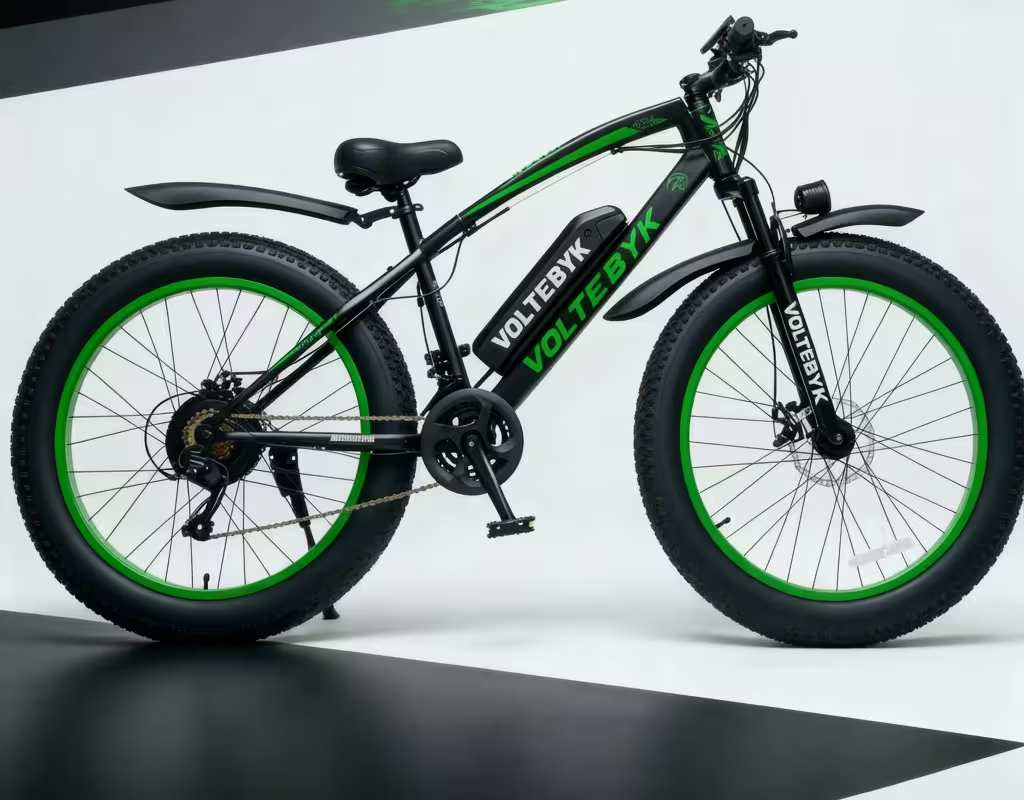
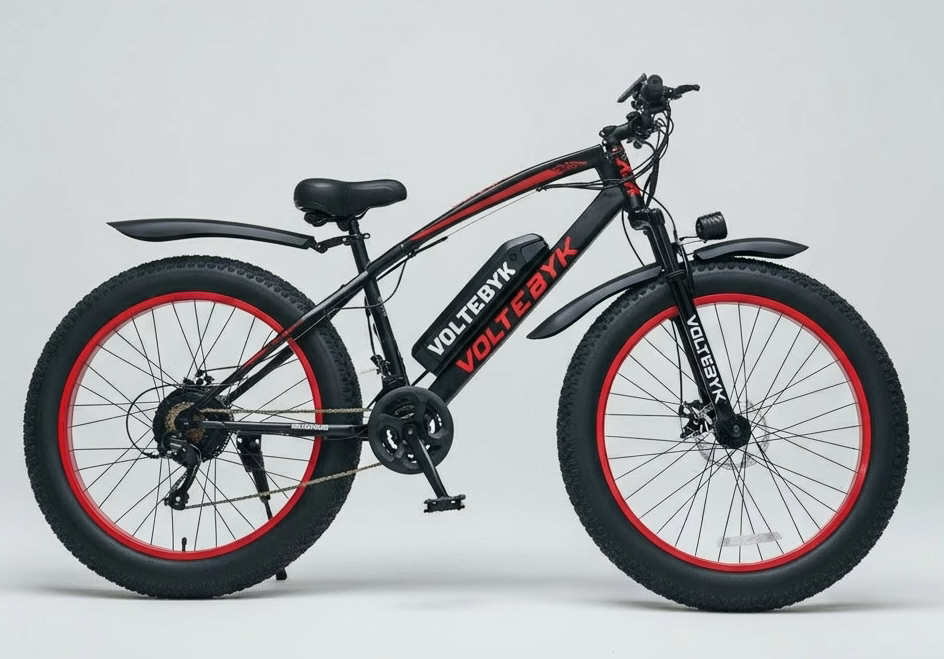
- Top Voltebyk Picks: Voltebyk Max Pro for urban commutes and Runner Pro Fat Bike for all-terrain riding.
- DIY Conversion: Electrify your current bicycle for under ₹10,000 using a Voltebyk 250W conversion kit.
The Impact of Fuel Price Hikes on Daily Commuters
Fuel price increases directly impact the cost of living. For a typical Indian commuter traveling 50 km daily by petrol-based two-wheeler, fuel costs can exceed ₹5,000-7,000 monthly. Electric cycles reduce this burden significantly while improving air quality in urban areas.
How Electric Cycles Address Fuel Dependency
1. Renewable Energy Source
Electric cycles use electricity, which can be generated from renewable sources like solar and wind. This reduces dependence on imported fossil fuels and supports India's clean energy goals.
2. Cost Efficiency During Fuel Shortages
When petrol prices rise dramatically, electric cycle operating costs remain stable. Charging a cycle costs only ₹1-2 for 50 km of travel, compared to ₹200-300 for petrol-based vehicles.
3. Supporting Energy Security
Mass adoption of e-bikes reduces petroleum imports, strengthening India's energy independence and forex reserves.
Economic Savings: The Numbers
Switching to an electric bicycle from a petrol scooter saves approximately ₹2,000-3,000 monthly. Over a year, that's ₹24,000-36,000 in fuel costs alone. Additionally, maintenance costs are 70% lower for electric cycles.
Government Support and Subsidies
The Indian government recognizes e-cycles' role in solving fuel crises and offers incentives through various state schemes. Many states provide subsidies up to ₹50,000, making electric cycles more accessible to middle-class commuters.
Frequently Asked Questions
What regulations apply to riding a Voltebyk electric cycle in India?
All Voltebyk electric cycles are engineered with a 250W continuous rated BLDC motor and a 25 km/h top speed, adhering to Central Motor Vehicle Rules (CMVR) for standard pedal-assisted bicycles for convenient and effortless daily commuting.
What is the monthly electricity cost to charge a Voltebyk e-bike battery?
A full charge for our standard 36V 7.8Ah or 9Ah lithium-ion battery consumes under 0.4 units of electricity (costing approx ₹3 to ₹5 per charge). For a 25 km daily commute, your monthly electricity cost will be under ₹100, saving you over ₹20,000 annually compared to petrol scooters.
Conclusion
Electric cycles represent more than just personal transportation—they're a strategic response to India's fuel challenges. By investing in an e-cycle, you're contributing to energy security while enjoying substantial savings.
Ready to Transform Your Daily Commute?
Stop wasting hours sitting in city traffic and spending thousands on petrol. Upgrade your lifestyle with a Voltebyk electric cycle today! Explore our complete lineup in the electric cycles catalog, convert your current bike with a 250W e-bike conversion kit, shop genuine electric cycle spares, or locate your nearest store with our store locator today!