India's Petroleum Import Crisis
India spends over $100 billion annually to import 80% of its petroleum needs. This massive financial outflow strains the economy and creates vulnerability to global supply shocks. Electric cycles and micro-mobility solutions can address this systemic challenge.
⚡ Quick Summary & Key Takeaways (2026 Guide)
- Zero Petrol Expenses: Daily running cost under 15 paise/km with high-efficiency 36V Lithium-ion technology.
- Effortless Commutes: High-efficiency 250W BLDC hub motor (25 km/h top speed) with smooth pedal assist for daily city travel.
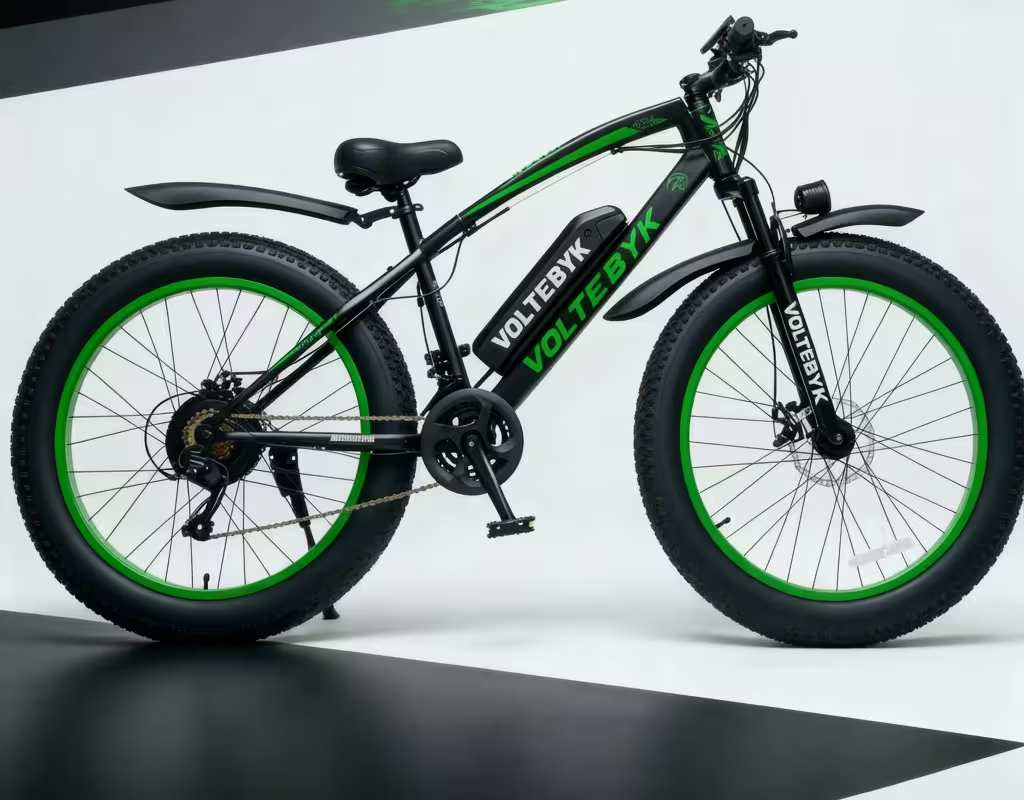
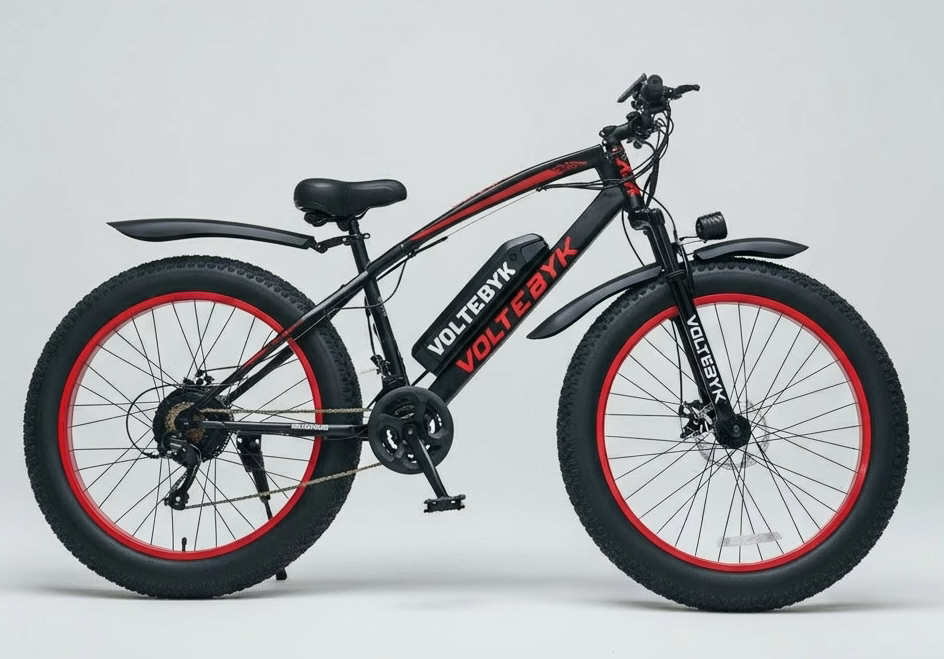
- Top Voltebyk Picks: Voltebyk Max Pro for urban commutes and Runner Pro Fat Bike for all-terrain riding.
- DIY Conversion: Electrify your current bicycle for under ₹10,000 using a Voltebyk 250W conversion kit.
Current Transportation Landscape
Two-wheelers account for 75% of vehicle registrations in India, with most running on petrol. The urban commute usually spans 5-15 km, perfectly suited for electric bikes. If just 20% of two-wheeler commutes switched to e-cycles, India could reduce petroleum imports by 15-20 million barrels annually.
Quantifying the Impact
Potential Fuel Savings
India's annual petrol consumption for two-wheelers is approximately 20 million metric tons. Supporting mass adoption of electric cycle accessories and e-bikes could displace 3-5 million metric tons within 5 years.
Economic Benefits
This displacement would save approximately ₹30,000-50,000 crores in foreign exchange annually, resources that could be redirected to education, healthcare, and infrastructure.
Infrastructure and Policy Support
Governments in Delhi, Karnataka, and Maharashtra are already investing in charging infrastructure for electric cycles. Scaling these initiatives nationally is crucial.
Realizing the Potential
To achieve significant fuel dependency reduction, we need: (1) Enhanced government incentives, (2) Expanded charging networks, (3) Public awareness campaigns about electric bikes benefits, and (4) Supporting local manufacturers like Voltebyk.
Frequently Asked Questions
What regulations apply to riding a Voltebyk electric cycle in India?
All Voltebyk electric cycles are engineered with a 250W continuous rated BLDC motor and a 25 km/h top speed, adhering to Central Motor Vehicle Rules (CMVR) for standard pedal-assisted bicycles for convenient and effortless daily commuting.
What is the monthly electricity cost to charge a Voltebyk e-bike battery?
A full charge for our standard 36V 7.8Ah or 9Ah lithium-ion battery consumes under 0.4 units of electricity (costing approx ₹3 to ₹5 per charge). For a 25 km daily commute, your monthly electricity cost will be under ₹100, saving you over ₹20,000 annually compared to petrol scooters.
Conclusion
While electric cycles alone won't solve the entire crisis, they're a critical piece of India's energy independence puzzle. Every rider switching to an electric cycle contributes to national energy security.
Ready to Transform Your Daily Commute?
Stop wasting hours sitting in city traffic and spending thousands on petrol. Upgrade your lifestyle with a Voltebyk electric cycle today! Explore our complete lineup in the electric cycles catalog, convert your current bike with a 250W e-bike conversion kit, shop genuine electric cycle spares, or locate your nearest store with our store locator today!