The Urban Commuting Challenge During Fuel Crisis
Indian cities face severe congestion, air pollution, and now fuel uncertainty. Electric cycles offer proven solutions for this complex urban mobility challenge.
⚡ Quick Summary & Key Takeaways (2026 Guide)
- Zero Petrol Expenses: Daily running cost under 15 paise/km with high-efficiency 36V Lithium-ion technology.
- Effortless Commutes: High-efficiency 250W BLDC hub motor (25 km/h top speed) with smooth pedal assist for daily city travel.
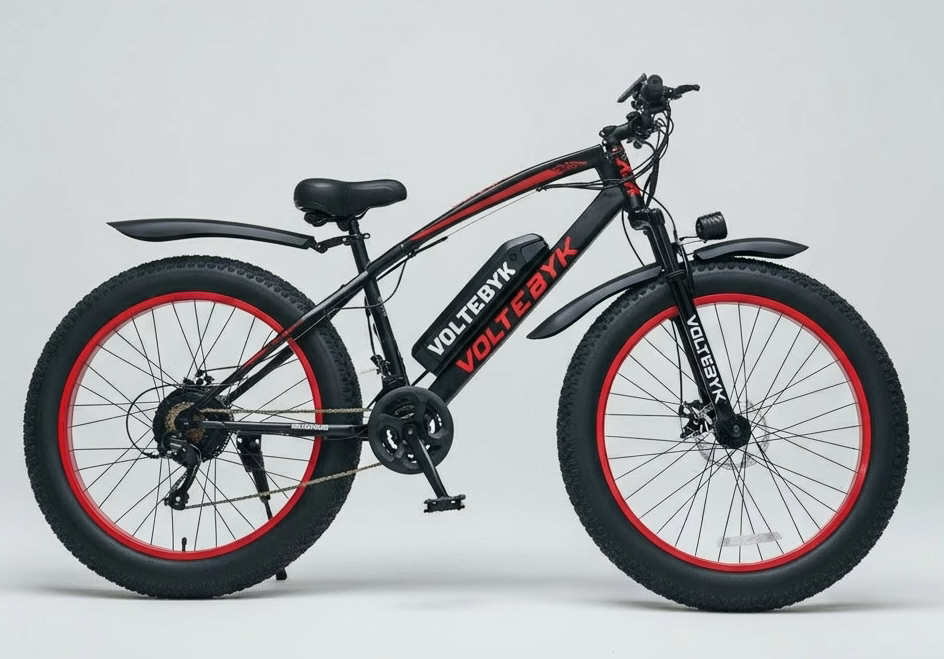
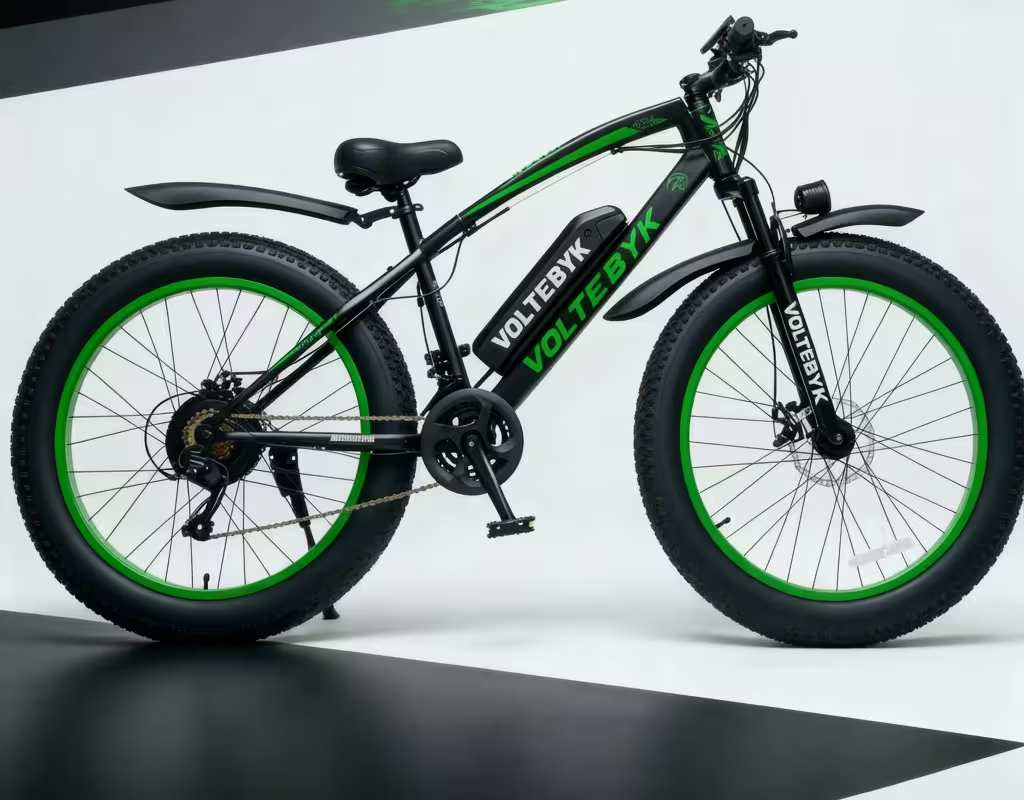
- Top Voltebyk Picks: Voltebyk Max Pro for urban commutes and Runner Pro Fat Bike for all-terrain riding.
- DIY Conversion: Electrify your current bicycle for under ₹10,000 using a Voltebyk 250W conversion kit.
Current Urban Transportation Issues
Petrol Two-Wheeler Dominance
Two-wheelers comprise 75% of urban vehicles but consume 15% of city fuel supplies. During shortages, they face queues and high prices.
Congestion and Pollution
Cities like Delhi, Mumbai, and Bangalore have hazardous air quality levels directly linked to vehicle emissions. Fuel-based transport directly causes this crisis.
Electric Cycles: The Transformation Solution
1. Last-Mile Connectivity
E-cycles perfectly bridge the gap between public transport and homes/offices. They're faster than buses for 5-15 km distances.
2. Parking and Space Efficiency
E-cycles occupy 1/6th the space of cars. Parking an electric cycle is quick, legal, and free in most urban areas.
3. Zero-Emission Urban Air
If 30% of urban commuters switch to e-cycles, particulate matter pollution could decrease by 40%.
Case Studies: Cities Leading the Change
Delhi's Subsidy Impact
Since introducing ₹30,000 subsidies, Delhi has seen 150% year-on-year growth in e-cycle sales. Traffic in e-cycle-popular areas has reduced by 12%.
Bangalore's Smart Cycling Initiative
Dedicated cycling lanes combined with affordable e-bikes have encouraged 25% of office workers to switch from cars to electric cycles.
Infrastructure Requirements
Charging Stations
Cities need charging facilities at residential areas, workplaces, and public spaces. One charging station per 5,000 residents is ideal.
Cycling Lanes and Routes
Dedicated lanes ensure safety and encourage adoption. Protected bike lanes increase e-cycle usage by 40%.
Long-Term Urban Resilience
Cities with significant electric cycle adoption demonstrate better resilience during fuel-related disruptions. Transport continues smoothly despite global fuel price shocks.
Your Role in Urban Transformation
Every person choosing an e-cycle contributes to cleaner, more resilient urban spaces. Join the urban mobility revolution today.
Frequently Asked Questions
What regulations apply to riding a Voltebyk electric cycle in India?
All Voltebyk electric cycles are engineered with a 250W continuous rated BLDC motor and a 25 km/h top speed, adhering to Central Motor Vehicle Rules (CMVR) for standard pedal-assisted bicycles for convenient and effortless daily commuting.
What is the monthly electricity cost to charge a Voltebyk e-bike battery?
A full charge for our standard 36V 7.8Ah or 9Ah lithium-ion battery consumes under 0.4 units of electricity (costing approx ₹3 to ₹5 per charge). For a 25 km daily commute, your monthly electricity cost will be under ₹100, saving you over ₹20,000 annually compared to petrol scooters.
Ready to Transform Your Daily Commute?
Stop wasting hours sitting in city traffic and spending thousands on petrol. Upgrade your lifestyle with a Voltebyk electric cycle today! Explore our complete lineup in the electric cycles catalog, convert your current bike with a 250W e-bike conversion kit, shop genuine electric cycle spares, or locate your nearest store with our store locator today!