E-Bikes and Environmental Sustainability
Electric bicycles represent one of the most environmentally friendly transportation options available today. With zero direct emissions and significantly lower manufacturing impact than cars, e-bikes offer a sustainable alternative for short to medium-distance travel.
⚡ Quick Summary & Key Takeaways (2026 Guide)
- Zero Petrol Expenses: Daily running cost under 15 paise/km with high-efficiency 36V Lithium-ion technology.
- Effortless Commutes: High-efficiency 250W BLDC hub motor (25 km/h top speed) with smooth pedal assist for daily city travel.
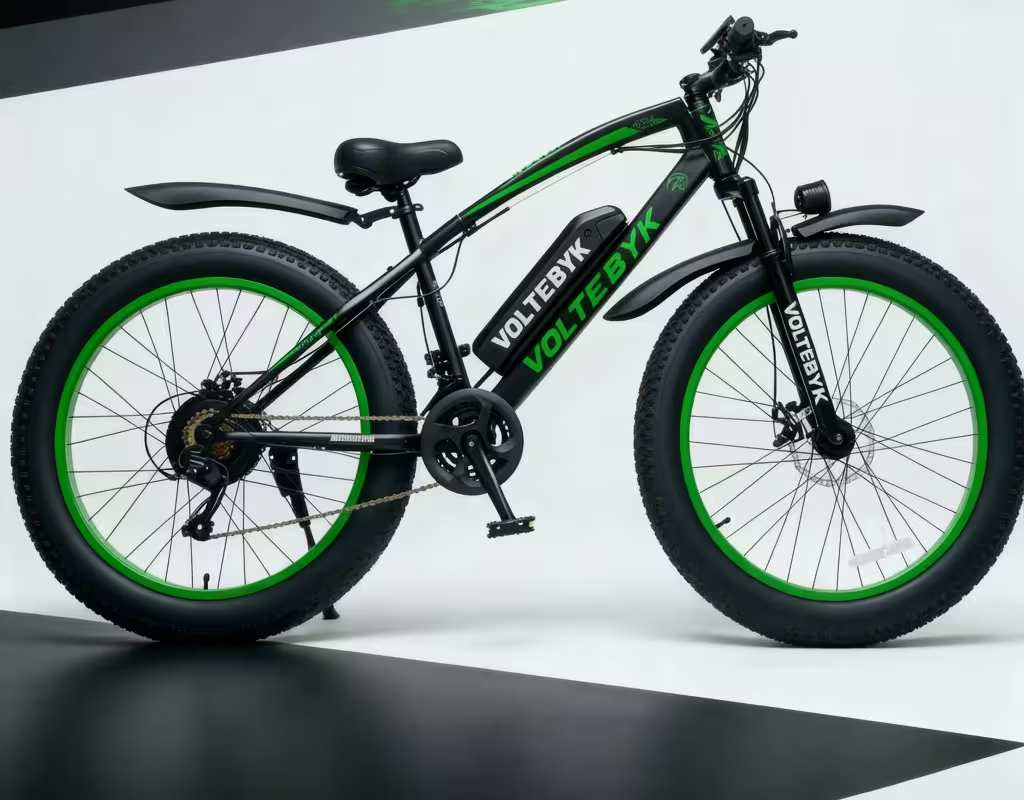
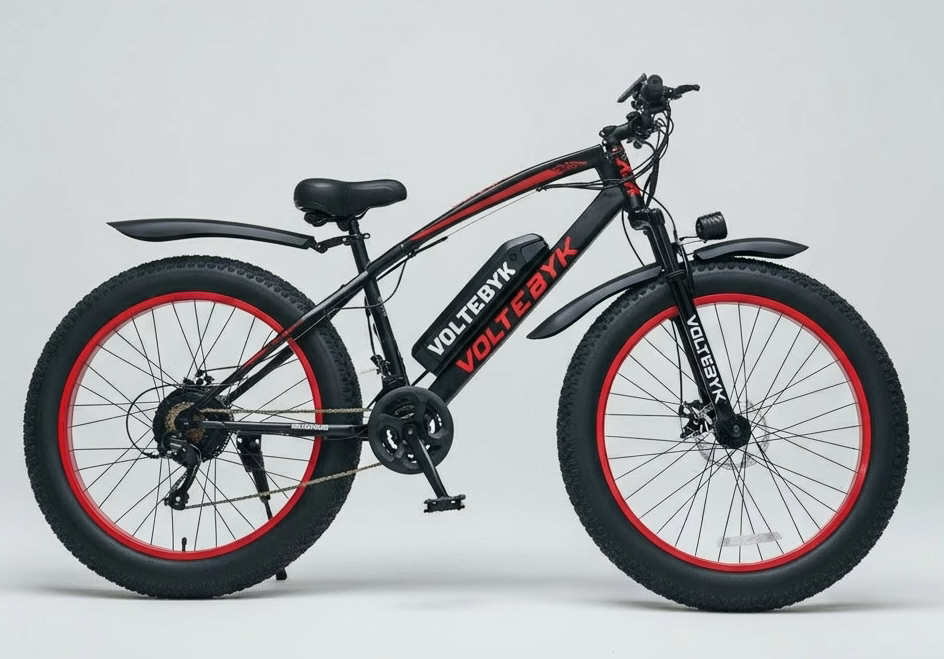
- Top Voltebyk Picks: Voltebyk Max Pro for urban commutes and Runner Pro Fat Bike for all-terrain riding.
- DIY Conversion: Electrify your current bicycle for under ₹10,000 using a Voltebyk 250W conversion kit.
Carbon Footprint Comparison
A typical e-bike produces approximately 22g of CO2 per kilometer when accounting for electricity generation, compared to 200-400g for a conventional car. Over a year of regular commuting, this translates to several hundred kilograms of avoided emissions. The environmental benefits increase further when powered by renewable energy sources.
Manufacturing Impact
While e-bike production requires more resources than traditional bicycles due to battery and motor components, the environmental cost is typically offset within 1-2 years of regular use. Modern e-bikes are increasingly using recycled materials and sustainable manufacturing processes.
Urban Air Quality Improvement
Widespread e-bike adoption can significantly improve urban air quality by reducing the number of short car trips. Studies show that replacing just 15% of car trips with e-bike usage can reduce urban transportation emissions by up to 12%. This improvement in air quality has direct health benefits for city residents.
Reduced Infrastructure Demand
E-bikes require less road space and parking area than cars, reducing the need for extensive infrastructure development. This leads to lower construction-related emissions and preserves urban green spaces. Cities investing in e-bike infrastructure see improved livability and reduced traffic congestion.
Life Cycle Environmental Benefits
Modern e-bike batteries are increasingly recyclable, with lithium recovery rates exceeding 95% in advanced recycling facilities. Many manufacturers now offer battery recycling programs and are developing more sustainable battery chemistries. The long lifespan of quality e-bikes (10+ years with proper maintenance) further enhances their environmental credentials.
Policy and Future Impact
Government incentives for e-bike purchases and infrastructure development are accelerating adoption. As renewable energy becomes more prevalent, the environmental benefits of e-bikes will continue to improve. Smart city initiatives integrating e-bikes with public transportation create even more sustainable mobility ecosystems.
Frequently Asked Questions
What regulations apply to riding a Voltebyk electric cycle in India?
All Voltebyk electric cycles are engineered with a 250W continuous rated BLDC motor and a 25 km/h top speed, adhering to Central Motor Vehicle Rules (CMVR) for standard pedal-assisted bicycles for convenient and effortless daily commuting.
What is the monthly electricity cost to charge a Voltebyk e-bike battery?
A full charge for our standard 36V 7.8Ah or 9Ah lithium-ion battery consumes under 0.4 units of electricity (costing approx ₹3 to ₹5 per charge). For a 25 km daily commute, your monthly electricity cost will be under ₹100, saving you over ₹20,000 annually compared to petrol scooters.
Ready to Transform Your Daily Commute?
Stop wasting hours sitting in city traffic and spending thousands on petrol. Upgrade your lifestyle with a Voltebyk electric cycle today! Explore our complete lineup in the electric cycles catalog, convert your current bike with a 250W e-bike conversion kit, shop genuine electric cycle spares, or locate your nearest store with our store locator today!