The Rising Fuel Price Crisis
Petrol prices have consistently breached ₹100+ per liter in many Indian states, creating financial strain for commuters. However, the solution lies in transitioning to electric cycles, which offer immediate and long-term financial advantages.
⚡ Quick Summary & Key Takeaways (2026 Guide)
- Zero Petrol Expenses: Daily running cost under 15 paise/km with high-efficiency 36V Lithium-ion technology.
- Effortless Commutes: High-efficiency 250W BLDC hub motor (25 km/h top speed) with smooth pedal assist for daily city travel.
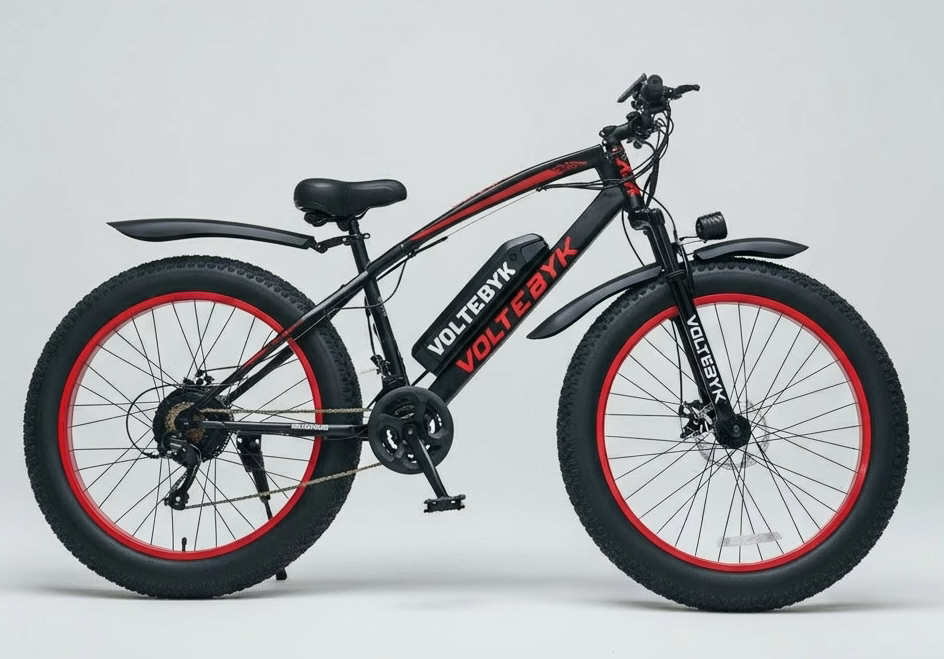
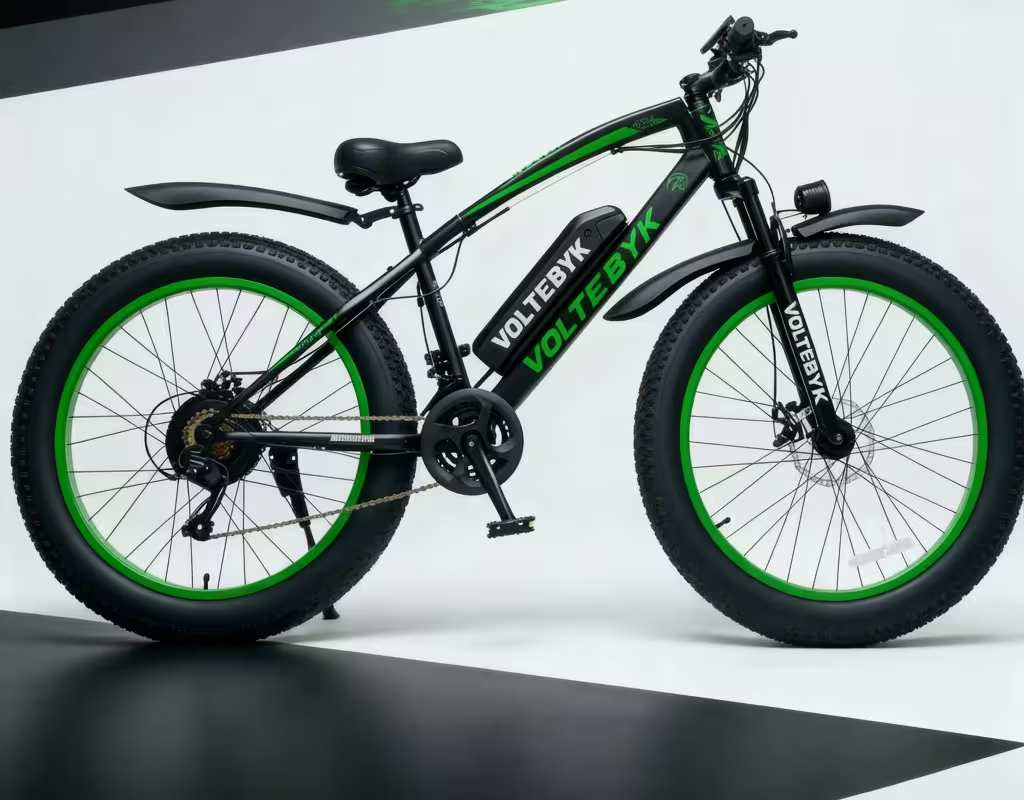
- Top Voltebyk Picks: Voltebyk Max Pro for urban commutes and Runner Pro Fat Bike for all-terrain riding.
- DIY Conversion: Electrify your current bicycle for under ₹10,000 using a Voltebyk 250W conversion kit.
ROI Analysis: Electric Cycle vs. Petrol Two-Wheeler
Initial Investment Comparison
A quality electric bike costs ₹50,000-150,000. After government subsidies (up to ₹50,000), the effective cost reduces to ₹0-100,000. Compare this to a petrol scooter at ₹60,000-100,000 with ongoing fuel expenses.
5-Year Cost Analysis
For a petrol two-wheeler: Fuel (₹5,000/month × 60 months) = ₹3,00,000 + maintenance (₹1,000/month × 60) = ₹60,000. Total 5-year cost: ₹3,60,000.
For an electric bicycle: Initial cost ₹50,000 + electricity (₹500/month × 60) = ₹30,000 + minimal maintenance (₹100/month × 60) = ₹6,000. Total 5-year cost: ₹86,000.
Breaking Down the Savings
Monthly Fuel Savings
Switching from petrol to electric results in monthly savings of ₹4,000-5,000. For office workers, this translates to ₹48,000-60,000 annually.
Maintenance Cost Reduction
Electric cycles have no oil changes, spark plugs, or frequent repairs. Maintenance costs drop by 80%, adding another ₹600-800 monthly savings.
Tax Benefits and Incentives
Several states offer additional tax benefits and rebates for electric cycle purchases, further reducing the break-even period.
Long-Term Financial Impact
Over 10 years, an electric cycle saves ₹3-4 lakhs compared to petrol vehicles. When combined with improved health benefits from regular riding, the value becomes even more compelling.
Making the Switch Today
With fuel prices climbing unpredictably, investing in an electric cycle is a smart financial decision. Browse our collection of affordable electric bikes and explore government subsidy options.
Understanding Voltebyk 250W BLDC Technology & Engineering
Every Voltebyk electric bicycle and conversion kit is engineered specifically for Indian road conditions and weather extremes. At the core of our propulsion system is a high-torque 250W Brushless DC (BLDC) hub motor that delivers instantaneous acceleration without heat buildup or mechanical friction. Paired with a 36V detachable Lithium-ion battery pack (available in 7.8Ah and 9Ah variants), Voltebyk e-bikes offer an impressive range of up to 35 km to 50 km per single charge.
Our intelligent 5-level Pedal Assist System (PAS) uses cadence sensors to monitor your pedaling effort seamlessly, supplying motor power exactly when needed on steep flyover inclines or headwinds. Additionally, all Voltebyk electrical components—including the motor, controller, battery casing, and LED display—are rated IP65 water-resistant. This ensures total peace of mind when riding through heavy Indian monsoons or dusty terrain. With dual mechanical disc brakes and safety motor cut-off levers, Voltebyk provides uncompromised safety and premium comfort for daily commuters across India.
Frequently Asked Questions
What regulations apply to riding a Voltebyk electric cycle in India?
All Voltebyk electric cycles are engineered with a 250W continuous rated BLDC motor and a 25 km/h top speed, adhering to Central Motor Vehicle Rules (CMVR) for standard pedal-assisted bicycles for convenient and effortless daily commuting.
What is the monthly electricity cost to charge a Voltebyk e-bike battery?
A full charge for our standard 36V 7.8Ah or 9Ah lithium-ion battery consumes under 0.4 units of electricity (costing approx ₹3 to ₹5 per charge). For a 25 km daily commute, your monthly electricity cost will be under ₹100, saving you over ₹20,000 annually compared to petrol scooters.