India's Petroleum Vulnerability
India imports 80% of petroleum. Any disruption—Middle East conflicts, shipping blockades, or global supply shocks—immediately impacts Indian consumers. The 2022 Russia-Ukraine crisis drove petrol prices to ₹120+/liter, demonstrating this vulnerability.
⚡ Quick Summary & Key Takeaways (2026 Guide)
- Zero Petrol Expenses: Daily running cost under 15 paise/km with high-efficiency 36V Lithium-ion technology.
- Effortless Commutes: High-efficiency 250W BLDC hub motor (25 km/h top speed) with smooth pedal assist for daily city travel.
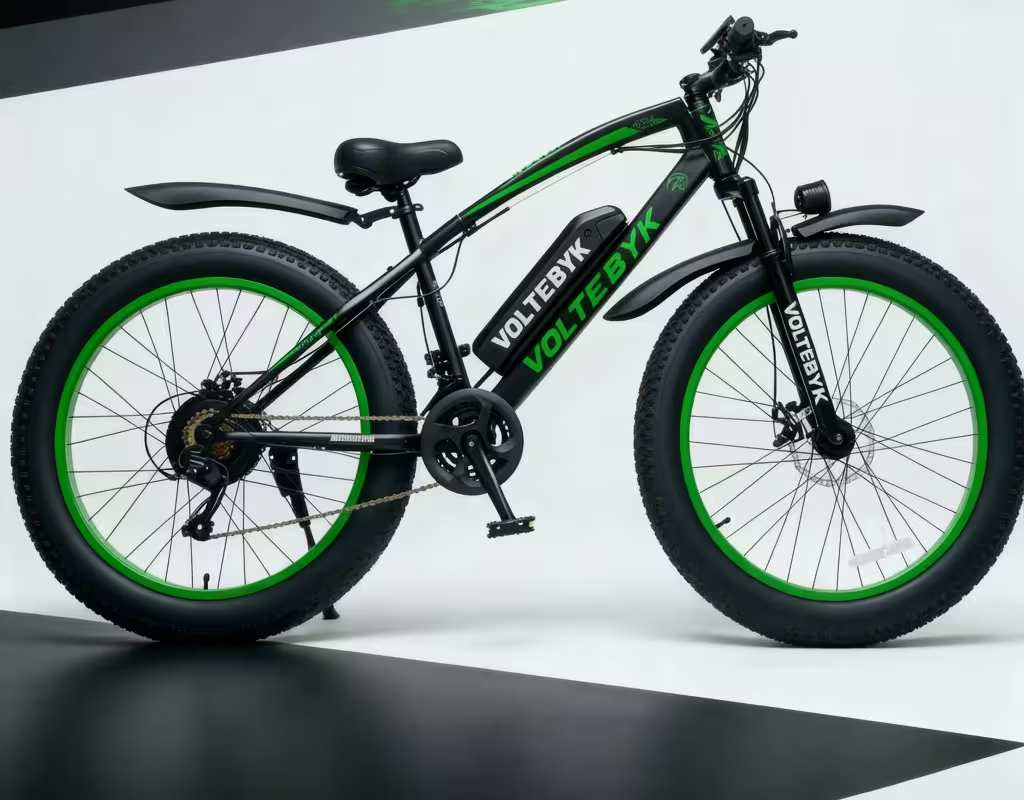
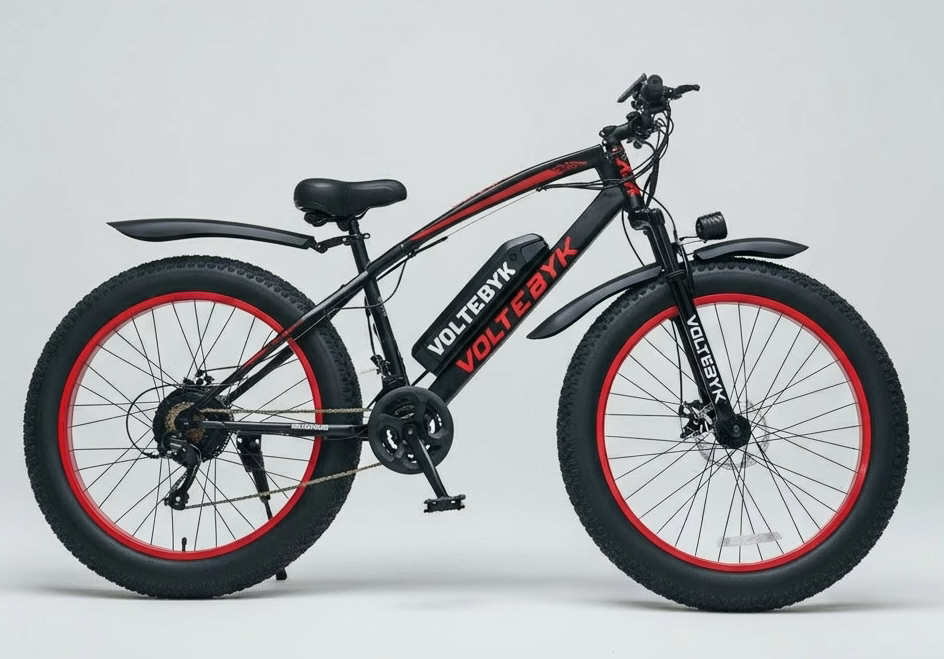
- Top Voltebyk Picks: Voltebyk Max Pro for urban commutes and Runner Pro Fat Bike for all-terrain riding.
- DIY Conversion: Electrify your current bicycle for under ₹10,000 using a Voltebyk 250W conversion kit.
Historical Fuel Price Shocks and Their Impact
2008 Global Oil Crisis
Oil prices spiked to $147/barrel. India's economy contracted 6% despite relatively strong fundamentals. Petrol shortages disrupted transportation for weeks.
2022 Ukraine Crisis Impact
Petrol prices surged ₹30 per liter within months. Millions of Indians cut consumption or switched to cheaper alternatives. Electric cycles sales spiked 200% during this period.
How Electric Cycles Provide Energy Independence
1. Domestic Energy Generation
India's renewable energy capacity is growing. Electricity increasingly comes from domestic solar and wind. E-cycles powered by domestic electricity eliminate import dependence.
2. Strategic Resilience
Countries with high e-cycle adoption demonstrate better resilience during global fuel crises. Nordic countries with 30-40% e-bike modal share barely felt 2022 oil price shocks.
3. Decoupling from Geopolitical Volatility
Every person using an electric cycle reduces India's exposure to geopolitical risk factors affecting global oil markets.
The Strategic Value for India's Economy
Foreign Exchange Savings
India spends $100+ billion annually on petroleum imports. If 30% of commutes switched to e-cycles, this could save $30 billion annually—funds redirectable to education, healthcare, and R&D.
Economic Sovereignty
Strong energy independence strengthens negotiating power in geopolitical disputes. India would be less vulnerable to economic leverage based on fuel dependence.
National Security Implications
Supply Chain Security
Petrol supplies depend on complex international shipping routes vulnerable to disruption. Domestic electricity generation is inherently more secure.
Strategic Military Considerations
Armed forces benefit from civilian e-cycle adoption as it frees military petrol allocations and reduces civilian-military fuel competition.
Government Policy Alignment
India's National Security Strategy recognizes energy independence as crucial. Subsidizing e-cycles aligns with this strategic objective.
Your Contribution to National Resilience
Adopting an electric cycle isn't personal preference—it's a strategic decision that strengthens India's geopolitical position and economic sovereignty. You're directly contributing to national energy security.
Frequently Asked Questions
What regulations apply to riding a Voltebyk electric cycle in India?
All Voltebyk electric cycles are engineered with a 250W continuous rated BLDC motor and a 25 km/h top speed, adhering to Central Motor Vehicle Rules (CMVR) for standard pedal-assisted bicycles for convenient and effortless daily commuting.
What is the monthly electricity cost to charge a Voltebyk e-bike battery?
A full charge for our standard 36V 7.8Ah or 9Ah lithium-ion battery consumes under 0.4 units of electricity (costing approx ₹3 to ₹5 per charge). For a 25 km daily commute, your monthly electricity cost will be under ₹100, saving you over ₹20,000 annually compared to petrol scooters.
Ready to Transform Your Daily Commute?
Stop wasting hours sitting in city traffic and spending thousands on petrol. Upgrade your lifestyle with a Voltebyk electric cycle today! Explore our complete lineup in the electric cycles catalog, convert your current bike with a 250W e-bike conversion kit, shop genuine electric cycle spares, or locate your nearest store with our store locator today!