Healthcare Supply Chain Vulnerability During Fuel Crisis
During fuel shortages, critical services like medicine delivery, laboratory specimen transport, and medical supply logistics face severe disruption. Electric cycles provide reliable, fuel-independent transportation for these essential functions.
⚡ Quick Summary & Key Takeaways (2026 Guide)
- Zero Petrol Expenses: Daily running cost under 15 paise/km with high-efficiency 36V Lithium-ion technology.
- Effortless Commutes: High-efficiency 250W BLDC hub motor (25 km/h top speed) with smooth pedal assist for daily city travel.
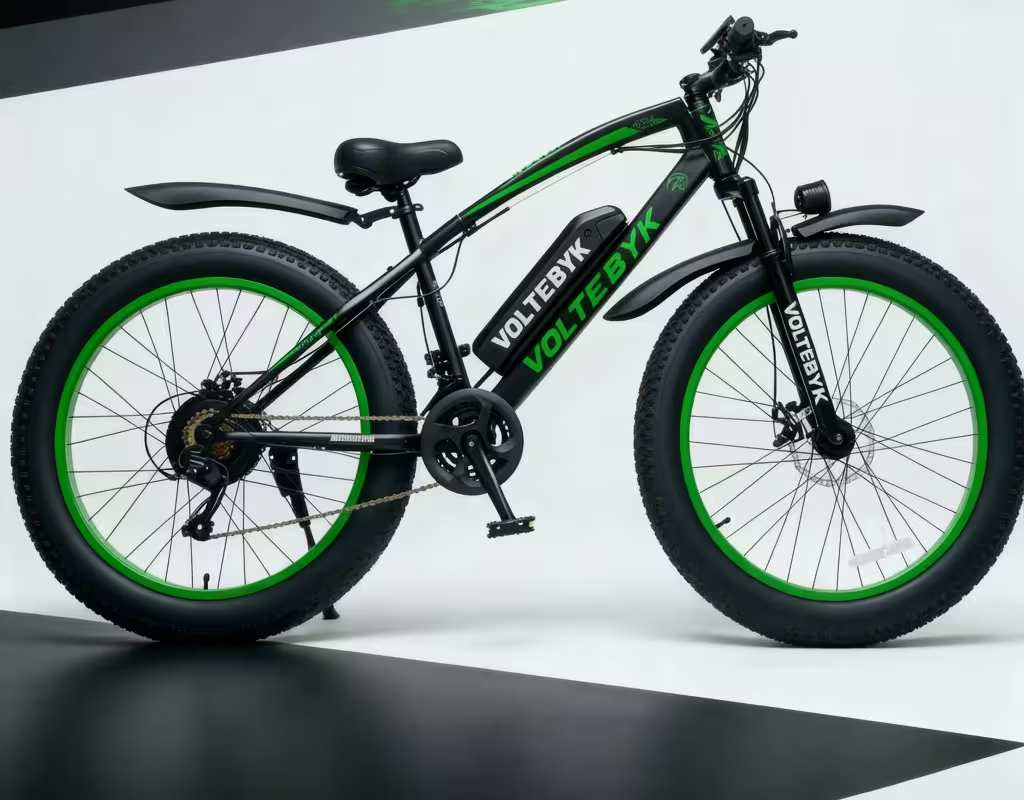
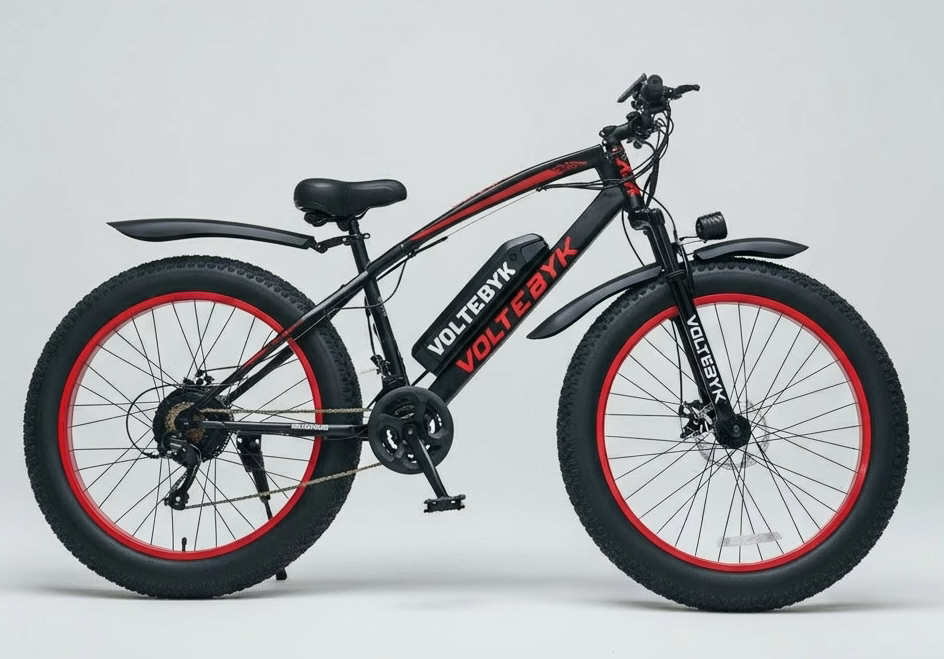
- Top Voltebyk Picks: Voltebyk Max Pro for urban commutes and Runner Pro Fat Bike for all-terrain riding.
- DIY Conversion: Electrify your current bicycle for under ₹10,000 using a Voltebyk 250W conversion kit.
Current Challenges in Healthcare Delivery
Last-Mile Delivery Breaks Down
Petrol shortages prevent delivery vehicles from reaching pharmacies, clinics, and patients. Medicine delivery, normally 2-4 hours, extends to 12+ hours during fuel crises.
Economic Pressure on Healthcare Workers
Delivery personnel spend ₹1,500-2,000 weekly on fuel, significantly reducing take-home income. Some quit, creating supply chain vacancies.
How Electric Cycles Revolutionize Healthcare Logistics
1. Cargo E-Cycles for Medicine Delivery
Heavy-duty cargo electric bikes carry 50-100 kg of medicines and medical supplies. Range of 60-80 km covers most urban healthcare supply chains.
2. Reliability During Fuel Crises
E-cycles charge overnight for uninterrupted daytime delivery. No dependency on petrol station availability means predictable service continuity.
3. Cost Efficiency
Daily operational cost of ₹50-100 for cargo e-cycles vs ₹300-400 for petrol vehicles. Delivery workers increase earnings by 70%.
Real-World Healthcare Applications
Emergency Medicine Delivery Networks
Delhi hospitals deployed 200 medical e-bikes for inter-hospital specimen transport. During fuel shortage, they maintained 98% on-time delivery vs 60% for petrol vehicles.
Last-Mile Pharmacy Delivery
Pharmaceutical distributors in Mumbai operate 500 shared e-delivery fleet. During 2022 fuel crisis, they expanded service areas because e-cycles don't need fuel.
Laboratory Logistics
Blood samples, pathology reports, and test results require time-sensitive delivery. E-cycle insulated carriers maintain temperature while eliminating fuel dependency.
Financial Impact for Healthcare Workers
Traditional Petrol Delivery Worker
Daily earnings: ₹800 | Fuel cost: ₹350 | Net income: ₹450/day | Annual (300 days): ₹135,000
Electric Cycle Delivery Worker
Daily earnings: ₹800 | E-cycle cost: ₹100 | Net income: ₹700/day | Annual (300 days): ₹210,000
Additional annual earnings: ₹75,000 (56% increase)
Infrastructure for Healthcare E-Cycles
Workplace Charging
Hospitals, clinics, and distribution centers require dedicated charging stations. Installation cost: ₹50,000-100,000 per station (one-time).
Regulatory Support
More states recognizing healthcare e-cycles need exemptions and fast-track registration. Policy support is expanding rapidly.
Building Resilient Healthcare Systems
Investing in medical-grade e-cycles strengthens healthcare supply chains against fuel shocks. During the next global fuel crisis, countries with robust e-cycle medical logistics will suffer far less healthcare disruption.
Your Healthcare System's Next Step
Healthcare organizations should transition delivery fleets to electric bikes. This improves worker welfare, reduces costs, and ensures service continuity during fuel emergencies.
Frequently Asked Questions
What regulations apply to riding a Voltebyk electric cycle in India?
All Voltebyk electric cycles are engineered with a 250W continuous rated BLDC motor and a 25 km/h top speed, adhering to Central Motor Vehicle Rules (CMVR) for standard pedal-assisted bicycles for convenient and effortless daily commuting.
What is the monthly electricity cost to charge a Voltebyk e-bike battery?
A full charge for our standard 36V 7.8Ah or 9Ah lithium-ion battery consumes under 0.4 units of electricity (costing approx ₹3 to ₹5 per charge). For a 25 km daily commute, your monthly electricity cost will be under ₹100, saving you over ₹20,000 annually compared to petrol scooters.
Ready to Transform Your Daily Commute?
Stop wasting hours sitting in city traffic and spending thousands on petrol. Upgrade your lifestyle with a Voltebyk electric cycle today! Explore our complete lineup in the electric cycles catalog, convert your current bike with a 250W e-bike conversion kit, shop genuine electric cycle spares, or locate your nearest store with our store locator today!