Student Transportation and Fuel Price Burden
College students on limited budgets face significant commute costs. Many contribute to household fuel expenses or maintain personal vehicles. With petrol prices volatile, students need affordable alternatives—electric cycles are the solution.
⚡ Quick Summary & Key Takeaways (2026 Guide)
- Zero Petrol Expenses: Daily running cost under 15 paise/km with high-efficiency 36V Lithium-ion technology.
- Effortless Commutes: High-efficiency 250W BLDC hub motor (25 km/h top speed) with smooth pedal assist for daily city travel.
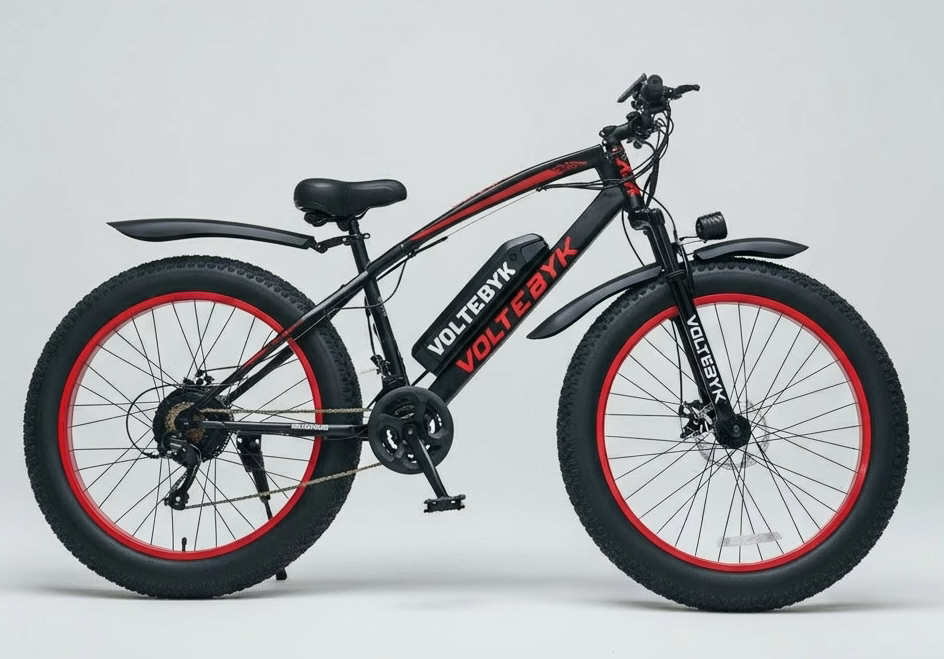
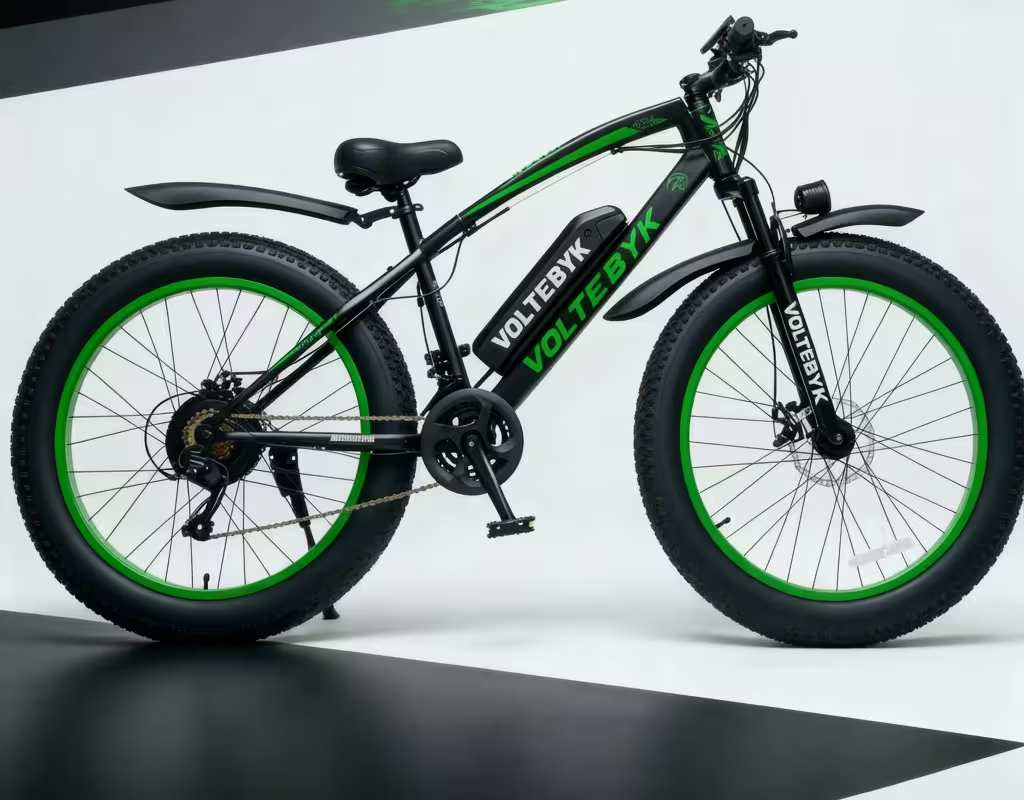
- Top Voltebyk Picks: Voltebyk Max Pro for urban commutes and Runner Pro Fat Bike for all-terrain riding.
- DIY Conversion: Electrify your current bicycle for under ₹10,000 using a Voltebyk 250W conversion kit.
Financial Reality for Students
Typical Student Monthly Budget Impact
Average college student spending on commute: Petrol/bus pass ₹2,000 + parking ₹300 = ₹2,300/month. Over 12 months of college (or internship), that's ₹27,600+.
Parents' Perspective
For parents supporting student commutes, reducing ₹2,000 monthly to ₹200 (electric cycle) is highly attractive. That's ₹21,600 annual savings per child.
Why Electric Cycles Perfect for College Students
1. Campus-to-Home Distance
Most students live 10-30 km from campus—perfect for electric bikes. A single charge powers entire commute.
2. Initial Investment Manageable with Subsidies
Entry-level e-cycles cost ₹50,000-60,000. After government subsidies (₹30,000-50,000), students need only ₹0-30,000 personal investment. Many student loans cover educational assets.
3. Durability Across Multiple Years
E-cycles are built for 5-10 years of use. One purchase serves entire college career plus several years beyond.
Student Success Stories
Case Study: Delhi Engineering College
50 students switched to e-cycles. Result: Average ₹24,000 annual savings, 15 minutes faster commute time, improved fitness (cited by 85% as lifestyle benefit).
Benefits Beyond Cost Savings
Environmental Responsibility
Student adoption of electric bikes demonstrates commitment to sustainability—valuable for future employment in ESG-conscious companies.
Health and Fitness
E-cycle riders get 45 minutes of activity daily. Students report better focus in classes and improved academic performance.
Independence and Freedom
Public transportation alternatives become choices rather than necessities. Students enjoy schedule flexibility with e-cycles.
Parental Investment Justification
Frame an e-cycle as an educational investment: Saves ₹21,600 annually, improves fitness and grades, and provides reliable independence. Most parents recognize the ROI within 3 months.
Getting Started as a Student
Explore beginner-friendly e-cycles from Voltebyk. Check if your college/parents qualify for any subsidies. Start your sustainable commute journey today.
Frequently Asked Questions
What regulations apply to riding a Voltebyk electric cycle in India?
All Voltebyk electric cycles are engineered with a 250W continuous rated BLDC motor and a 25 km/h top speed, adhering to Central Motor Vehicle Rules (CMVR) for standard pedal-assisted bicycles for convenient and effortless daily commuting.
What is the monthly electricity cost to charge a Voltebyk e-bike battery?
A full charge for our standard 36V 7.8Ah or 9Ah lithium-ion battery consumes under 0.4 units of electricity (costing approx ₹3 to ₹5 per charge). For a 25 km daily commute, your monthly electricity cost will be under ₹100, saving you over ₹20,000 annually compared to petrol scooters.