E-Bike Safety Fundamentals
E-bikes can reach higher speeds than traditional bicycles, making safety considerations even more critical. Proper equipment, awareness, and adherence to traffic rules are essential for safe e-bike operation.
⚡ Quick Summary & Key Takeaways (2026 Guide)
- Zero Petrol Expenses: Daily running cost under 15 paise/km with high-efficiency 36V Lithium-ion technology.
- Effortless Commutes: High-efficiency 250W BLDC hub motor (25 km/h top speed) with smooth pedal assist for daily city travel.
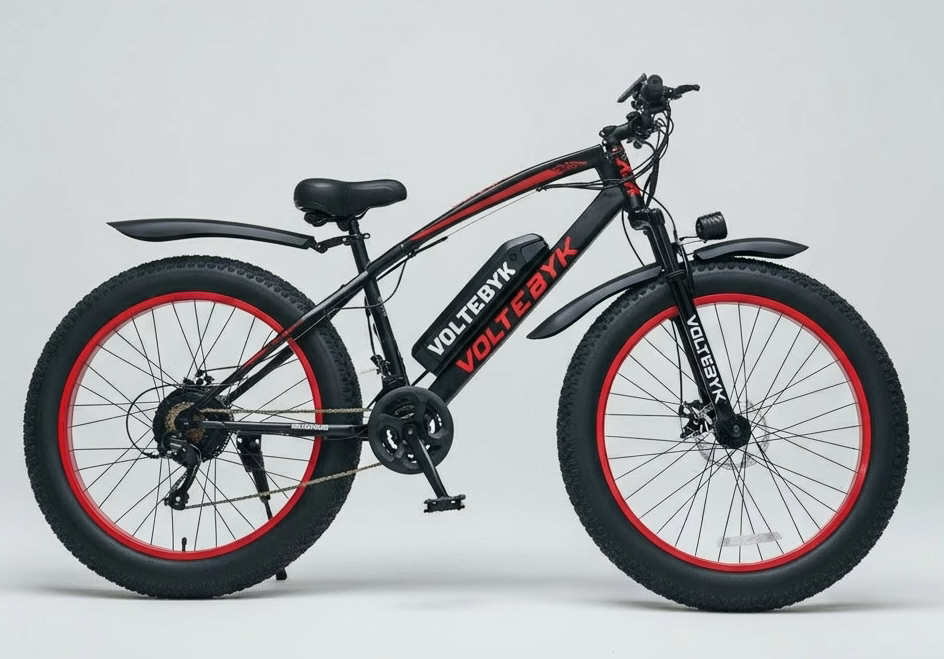
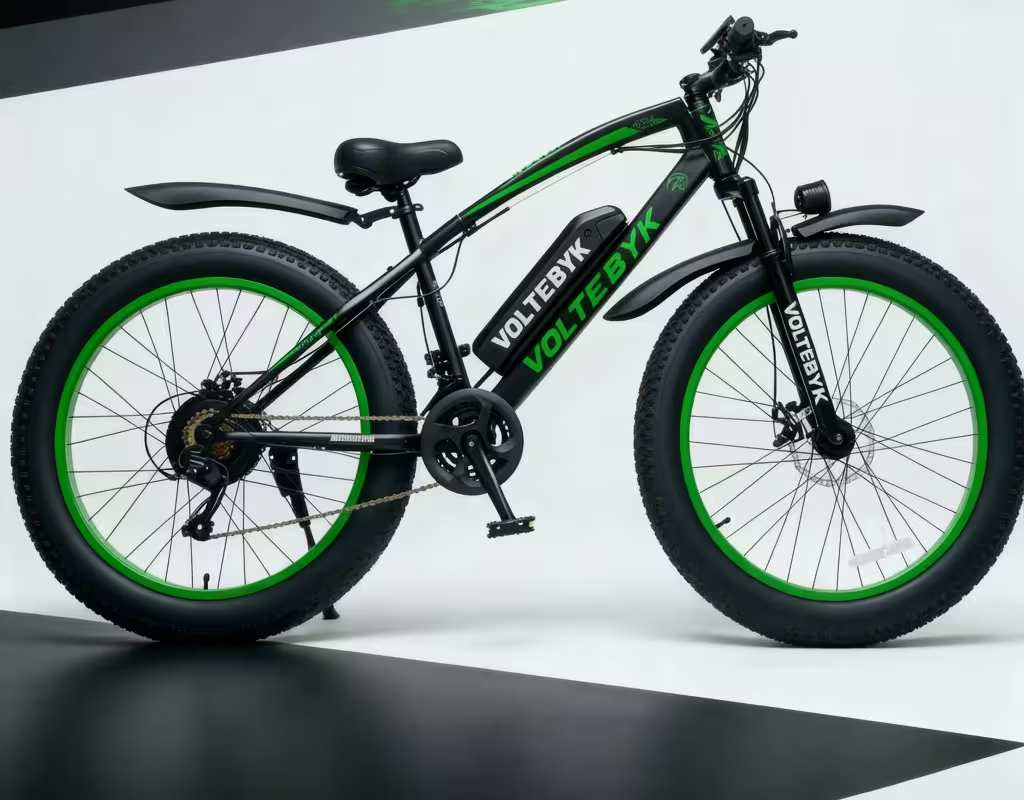
- Top Voltebyk Picks: Voltebyk Max Pro for urban commutes and Runner Pro Fat Bike for all-terrain riding.
- DIY Conversion: Electrify your current bicycle for under ₹10,000 using a Voltebyk 250W conversion kit.
Essential Safety Equipment
A quality helmet is the most important safety investment. Look for helmets meeting CPSC or equivalent safety standards. Visibility is crucial, especially when riding at higher speeds. Install front white lights, rear red lights, and reflective elements on your e-bike. Wear bright, reflective clothing, particularly during low-light conditions.
Protective Gear
Consider additional protective equipment like gloves, knee and elbow pads, especially for mountain e-biking. Proper footwear with good grip prevents slipping off pedals. Ensure your clothing doesn't create entanglement hazards with the chain or moving parts.
Traffic Awareness and Rules
E-bikes are subject to the same traffic laws as conventional bicycles. Signal turns clearly, obey traffic signals, and ride in the same direction as traffic. Maintain a safe distance from other vehicles and be aware of their blind spots. Motorists may not expect e-bikes to travel at higher speeds, so ride defensively.
Road Positioning
Position yourself predictably in traffic lanes. Avoid riding too close to parked cars to prevent door strikes. When approaching intersections, move toward the center of the lane to increase visibility to turning vehicles. Use bike lanes when available, but be cautious of pedestrians and other cyclists.
E-Bike Specific Considerations
Higher speeds require longer stopping distances. Practice emergency braking in safe areas to understand your bike's capabilities. Be mindful of your increased momentum when cornering or navigating obstacles. The added weight of e-bikes affects handling, so adjust your riding style accordingly.
Technical Safety
Regularly check brake function, tire condition, and electrical connections. Ensure your battery is securely mounted and the display is easily visible. Familiarize yourself with your e-bike's controls and assistance modes before riding in traffic. Carry basic tools for minor adjustments and a charged phone for emergencies.
Frequently Asked Questions
What regulations apply to riding a Voltebyk electric cycle in India?
All Voltebyk electric cycles are engineered with a 250W continuous rated BLDC motor and a 25 km/h top speed, adhering to Central Motor Vehicle Rules (CMVR) for standard pedal-assisted bicycles for convenient and effortless daily commuting.
What is the monthly electricity cost to charge a Voltebyk e-bike battery?
A full charge for our standard 36V 7.8Ah or 9Ah lithium-ion battery consumes under 0.4 units of electricity (costing approx ₹3 to ₹5 per charge). For a 25 km daily commute, your monthly electricity cost will be under ₹100, saving you over ₹20,000 annually compared to petrol scooters.
Ready to Transform Your Daily Commute?
Stop wasting hours sitting in city traffic and spending thousands on petrol. Upgrade your lifestyle with a Voltebyk electric cycle today! Explore our complete lineup in the electric cycles catalog, convert your current bike with a 250W e-bike conversion kit, shop genuine electric cycle spares, or locate your nearest store with our store locator today!