Current Trajectory and Growth Projections
India's electric cycle market is growing at 35% CAGR. By 2030, e-cycles could fulfill 25-30% of urban commute needs, displacing 40-50 million barrels of petrol annually.
⚡ Quick Summary & Key Takeaways (2026 Guide)
- Zero Petrol Expenses: Daily running cost under 15 paise/km with high-efficiency 36V Lithium-ion technology.
- Effortless Commutes: High-efficiency 250W BLDC hub motor (25 km/h top speed) with smooth pedal assist for daily city travel.
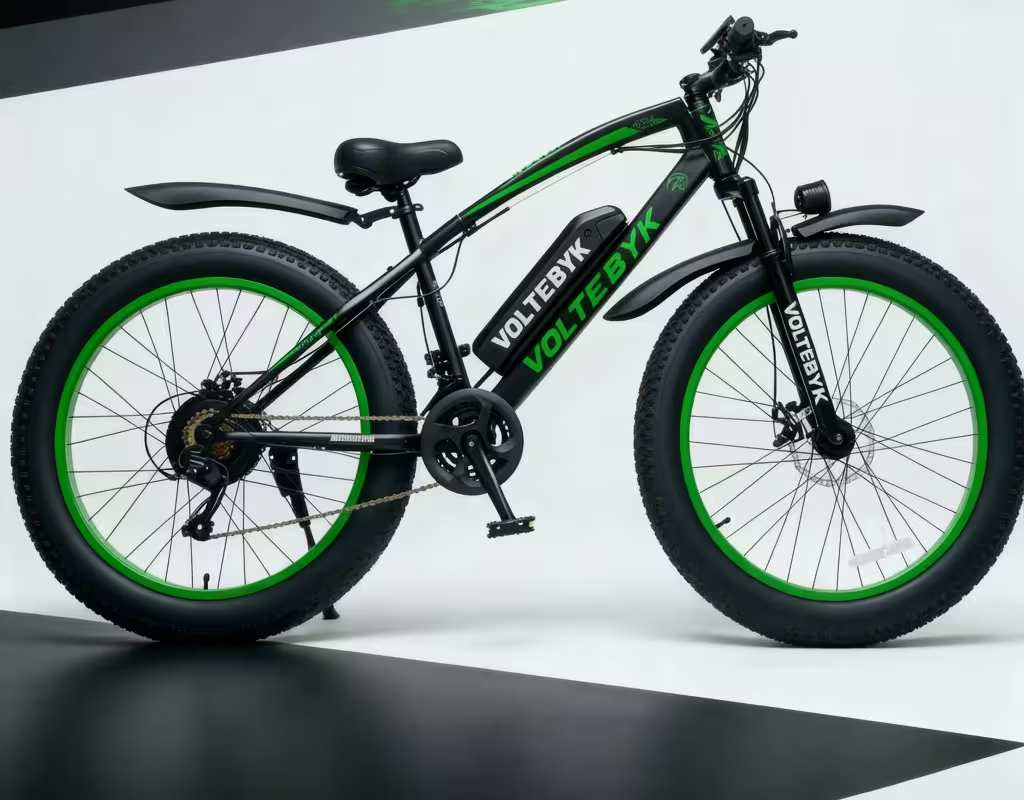
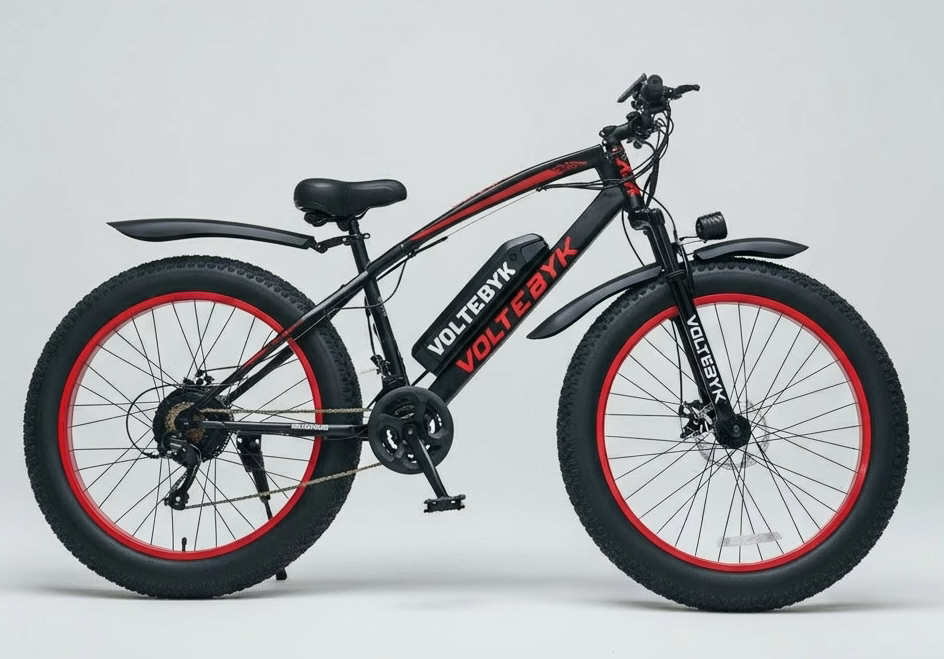
- Top Voltebyk Picks: Voltebyk Max Pro for urban commutes and Runner Pro Fat Bike for all-terrain riding.
- DIY Conversion: Electrify your current bicycle for under ₹10,000 using a Voltebyk 250W conversion kit.
Technological Advancements on the Horizon
Battery Technology Evolution
Next-generation batteries will offer 200+ km range, 10-minute fast charging, and 500,000+ cycle lifespan. These improvements will make electric bikes indistinguishable from traditional cycling in convenience.
Smart Connectivity
AI-powered e-cycles will optimize route selection based on time, energy efficiency, and real-time traffic. Integration with city smart systems will enable predictive charging recommendations.
Lightweight Materials
Carbon fiber and graphene composites will make electric cycles lighter while increasing durability, improving efficiency by 20-30%.
Policy and Infrastructure Evolution
National E-Mobility Framework
India is developing a comprehensive e-mobility policy that includes standardized charging protocols, safety regulations, and uniform subsidies across states.
Smart City Integration
Cities are integrating e-bike infrastructure into smart city projects with IoT sensors, automated charging stations, and real-time data analytics.
Market Expansion Scenarios
By 2030: Mainstream Adoption
Electric cycles could become the primary commute mode in metros and tier-1 cities. E-cycle sales could reach 10 million units annually.
By 2035: Energy Independence Milestone
With 50% of urban commutes on e-cycles, petroleum imports could reduce by 30-50%, saving India $50+ billion annually.
Challenges to Address
Infrastructure Gap
Expanding charging networks and cycling lanes requires coordinated investment of $2-3 billion. Government initiatives are underway but need acceleration.
Consumer Awareness
Many people still perceive electric bikes as unreliable or limited-range. Educational campaigns must dispel these myths.
Your Role in Shaping This Future
Early adoption of electric cycles accelerates this transformation. You're not just purchasing a vehicle; you're investing in India's energy-independent future.
Frequently Asked Questions
What regulations apply to riding a Voltebyk electric cycle in India?
All Voltebyk electric cycles are engineered with a 250W continuous rated BLDC motor and a 25 km/h top speed, adhering to Central Motor Vehicle Rules (CMVR) for standard pedal-assisted bicycles for convenient and effortless daily commuting.
What is the monthly electricity cost to charge a Voltebyk e-bike battery?
A full charge for our standard 36V 7.8Ah or 9Ah lithium-ion battery consumes under 0.4 units of electricity (costing approx ₹3 to ₹5 per charge). For a 25 km daily commute, your monthly electricity cost will be under ₹100, saving you over ₹20,000 annually compared to petrol scooters.
Conclusion
Electric cycles represent the convergence of affordability, sustainability, and practicality. They're not a niche product—they're the foundation of India's sustainable, fuel-independent mobility ecosystem.
Ready to Transform Your Daily Commute?
Stop wasting hours sitting in city traffic and spending thousands on petrol. Upgrade your lifestyle with a Voltebyk electric cycle today! Explore our complete lineup in the electric cycles catalog, convert your current bike with a 250W e-bike conversion kit, shop genuine electric cycle spares, or locate your nearest store with our store locator today!