Why Make the Switch During Fuel Crisis?
Fuel price volatility makes now the perfect time to switch. Many petrol vehicle users are considering e-cycles as a safer, more economical alternative.
⚡ Quick Summary & Key Takeaways (2026 Guide)
- Zero Petrol Expenses: Daily running cost under 15 paise/km with high-efficiency 36V Lithium-ion technology.
- Effortless Commutes: High-efficiency 250W BLDC hub motor (25 km/h top speed) with smooth pedal assist for daily city travel.
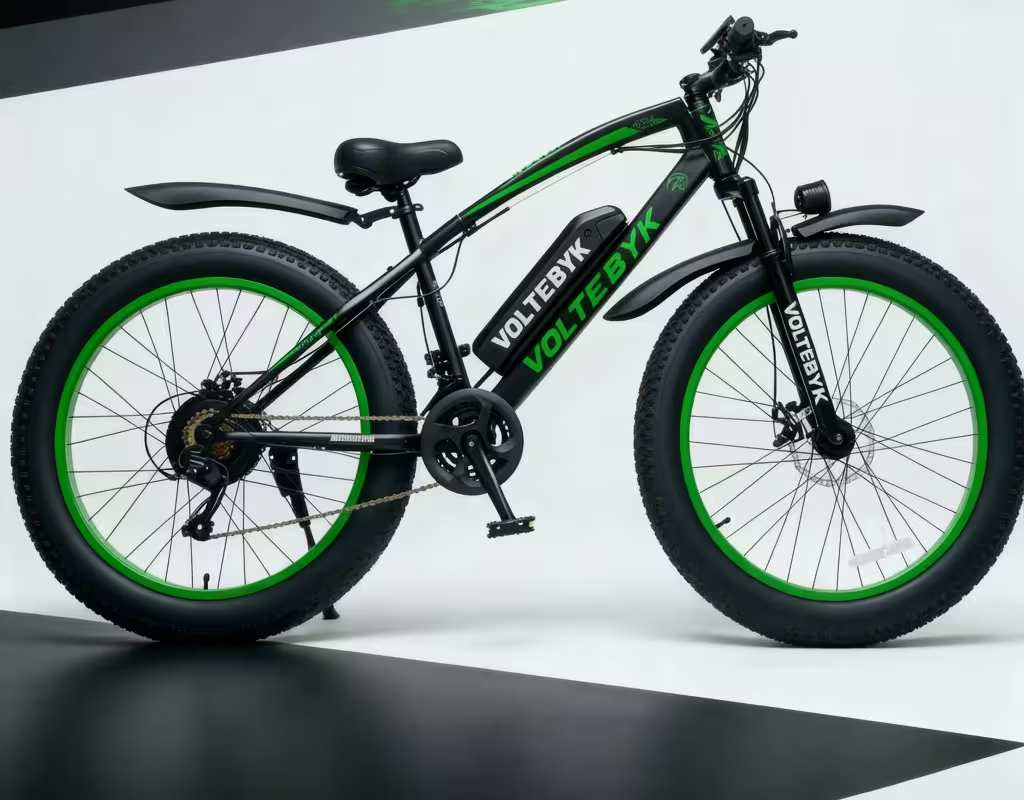
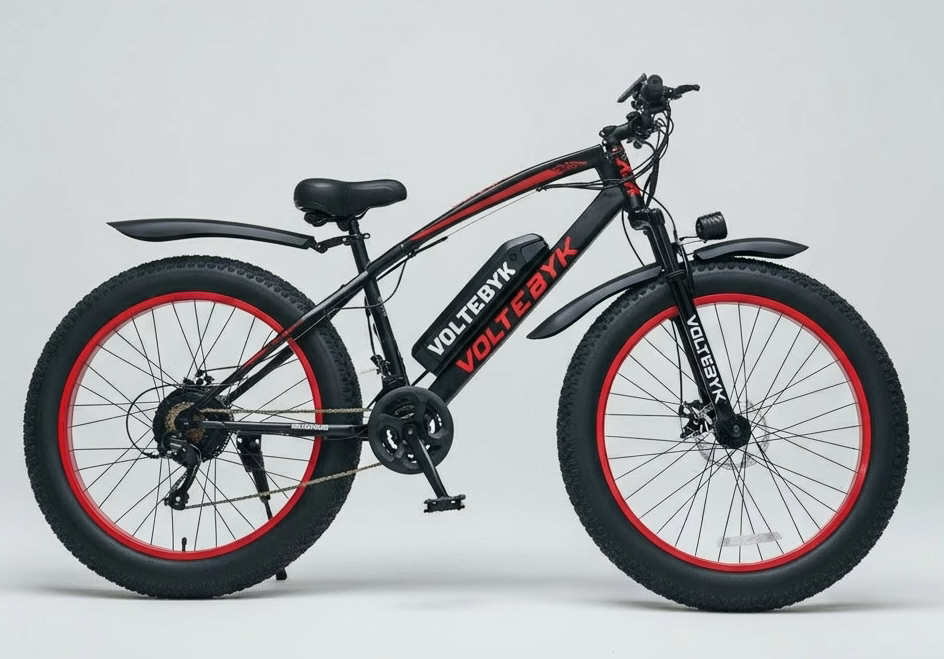
- Top Voltebyk Picks: Voltebyk Max Pro for urban commutes and Runner Pro Fat Bike for all-terrain riding.
- DIY Conversion: Electrify your current bicycle for under ₹10,000 using a Voltebyk 250W conversion kit.
Assessment Phase: Is Electric Right for You?
Evaluate Your Commute
Electric cycles work best for commutes under 50 km daily. If your total travel is within this range, an e-cycle is ideal.
Consider Infrastructure
Check if your home and workplace have charging facilities. Most modern workplaces offer charging solutions. Home charging requires just a standard wall outlet.
Financial Planning
Calculate Your Fuel Spending
Track your exact monthly petrol expenses. This baseline helps justify the electric cycle investment.
Factor in Government Subsidies
Research your state's subsidy programs (typically ₹30,000-50,000). This significantly reduces your effective purchase cost.
Selection and Purchase
Test Multiple Models
Visit stores like Voltebyk and test different e-cycles. Feel the weight, try acceleration, and check comfort levels.
Choose Based on Your Route
Hilly areas require stronger motors (500W+). Flat urban routes work well with 250W motors. Range requirements depend on your commute length.
Adaptation Period (First 2 Weeks)
Expect a learning curve. Battery management, charging schedules, and riding technique differ from petrol scooters. Most users adapt within 2 weeks.
Long-Term Benefits Realization
After 3 months, you'll see the true benefits: monthly savings of ₹3,000-4,000, improved fitness, reduced environmental guilt, and independence from fuel price shocks.
Making Your Transition
Ready to switch? Visit our electric cycles collection or call our specialists for personalized guidance on choosing the perfect e-bike for your needs.
Understanding Voltebyk 250W BLDC Technology & Engineering
Every Voltebyk electric bicycle and conversion kit is engineered specifically for Indian road conditions and weather extremes. At the core of our propulsion system is a high-torque 250W Brushless DC (BLDC) hub motor that delivers instantaneous acceleration without heat buildup or mechanical friction. Paired with a 36V detachable Lithium-ion battery pack (available in 7.8Ah and 9Ah variants), Voltebyk e-bikes offer an impressive range of up to 35 km to 50 km per single charge.
Our intelligent 5-level Pedal Assist System (PAS) uses cadence sensors to monitor your pedaling effort seamlessly, supplying motor power exactly when needed on steep flyover inclines or headwinds. Additionally, all Voltebyk electrical components—including the motor, controller, battery casing, and LED display—are rated IP65 water-resistant. This ensures total peace of mind when riding through heavy Indian monsoons or dusty terrain. With dual mechanical disc brakes and safety motor cut-off levers, Voltebyk provides uncompromised safety and premium comfort for daily commuters across India.
Frequently Asked Questions
What regulations apply to riding a Voltebyk electric cycle in India?
All Voltebyk electric cycles are engineered with a 250W continuous rated BLDC motor and a 25 km/h top speed, adhering to Central Motor Vehicle Rules (CMVR) for standard pedal-assisted bicycles for convenient and effortless daily commuting.
What is the monthly electricity cost to charge a Voltebyk e-bike battery?
A full charge for our standard 36V 7.8Ah or 9Ah lithium-ion battery consumes under 0.4 units of electricity (costing approx ₹3 to ₹5 per charge). For a 25 km daily commute, your monthly electricity cost will be under ₹100, saving you over ₹20,000 annually compared to petrol scooters.
.jpg?tr=w-1200%2Cq-55%2Cf-auto%2Cc-at_max)