Shared Mobility During Transportation Emergencies
Extended fuel shortages disrupt normal transportation. Shared electric cycle programs provide immediate contingency transportation for critical needs when personal vehicles aren't viable.
⚡ Quick Summary & Key Takeaways (2026 Guide)
- Zero Petrol Expenses: Daily running cost under 15 paise/km with high-efficiency 36V Lithium-ion technology.
- Effortless Commutes: High-efficiency 250W BLDC hub motor (25 km/h top speed) with smooth pedal assist for daily city travel.
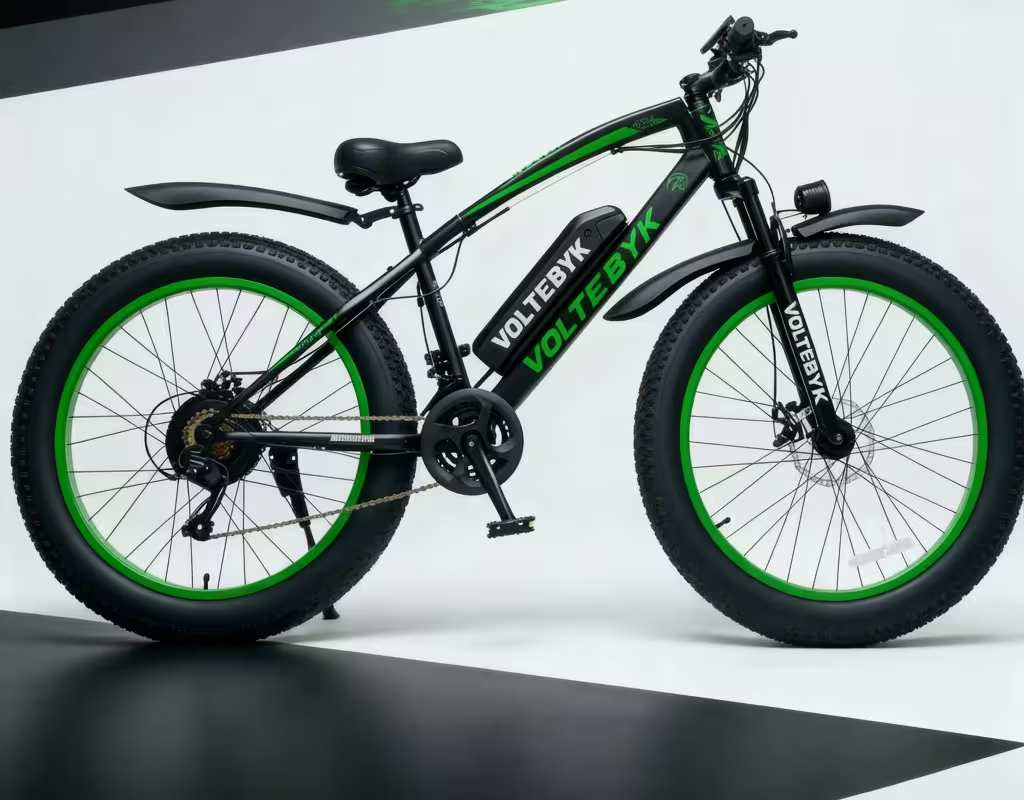
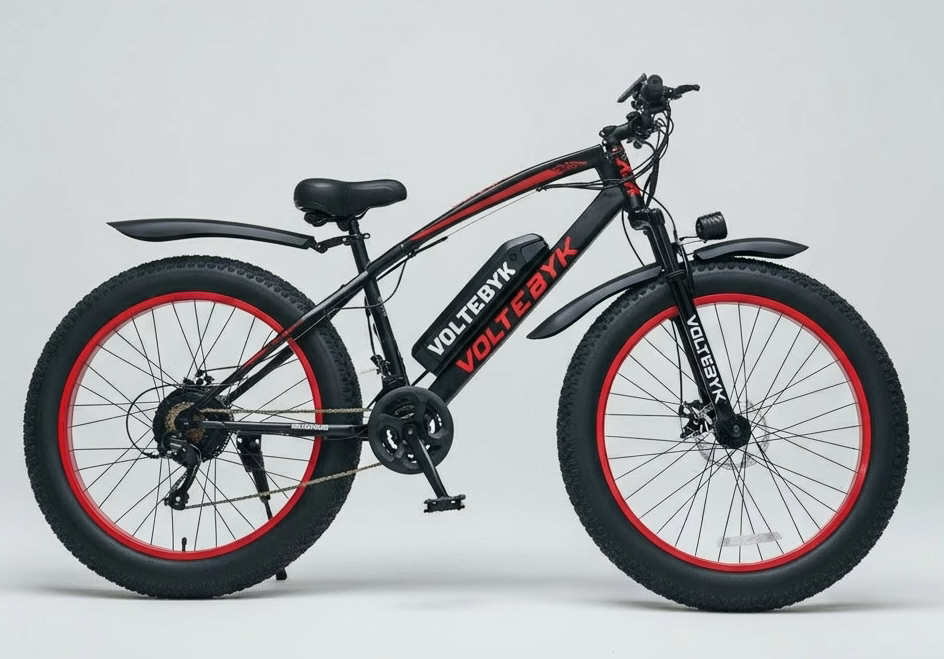
- Top Voltebyk Picks: Voltebyk Max Pro for urban commutes and Runner Pro Fat Bike for all-terrain riding.
- DIY Conversion: Electrify your current bicycle for under ₹10,000 using a Voltebyk 250W conversion kit.
How Electric Cycle Sharing Services Work
Membership Models
Users subscribe for monthly access (₹500-1,500) or pay per-ride (₹20-50). Unlock cycles from docking stations using mobile apps. Charges include insurance and maintenance.
Operational Network
Growing cities deploy 500-5,000 shared e-bikes across downtown areas, universities, and major employment zones. Users access nearest station within 2-3 km.
Benefits During Fuel Crisis Scenarios
1. No Personal Investment Required
Those hesitant to buy e-cycles can trial shared services. Many convert to ownership after positive experiences.
2. Distributed Network Advantage
Unlike petrol stations requiring specific infrastructure, shared e-cycles use distributed docking. Easier access across entire city.
3. Zero Maintenance Worry
Service providers handle battery replacement, repairs, and maintenance. Users enjoy hassle-free commuting.
Real-World Success Examples
Bangalore's YourCycle Program
Deployed 5,000 shared e-bikes. During 2022 fuel crisis, daily rides increased 300%. Proved critical for emergency commutes when petrol stations closed.
Delhi's E-Share Initiative
Integrated with metro system. Users combine metro + shared e-cycles for full commute. Eliminated 40% of petrol-based short trips.
Cost-Benefit for Daily Users
Monthly Commute Cost Comparison
Petrol scooter: ₹2,500 fuel + ₹500 parking = ₹3,000. Shared e-cycles: 30 rides × ₹40 = ₹1,200/month.
Monthly savings: ₹1,800. Yearly: ₹21,600
Supporting Infrastructure Build
Government Role
Cities must provide docking station space, power infrastructure, and regulatory clarity. Some offer subsidy reimbursement for frequent rental users.
Corporate Partnerships
IT companies, banks, and large employers subsidize employee rental memberships, improving employee mobility and satisfaction.
Choosing Between Rental and Ownership
Rental Is Better If:
You commute <12 days/month, live in cities with good rental infrastructure, or want to test e-cycles before buying.
Ownership Is Better If:
You commute daily, live/work in areas with sparse docking, or want customization to personal preferences.
Preparing for Fuel-Free Commuting
Whether through ownership or rental, electric cycles ensure your transportation continues smoothly during any fuel shortage. Explore rental options in your city today.
Frequently Asked Questions
What regulations apply to riding a Voltebyk electric cycle in India?
All Voltebyk electric cycles are engineered with a 250W continuous rated BLDC motor and a 25 km/h top speed, adhering to Central Motor Vehicle Rules (CMVR) for standard pedal-assisted bicycles for convenient and effortless daily commuting.
What is the monthly electricity cost to charge a Voltebyk e-bike battery?
A full charge for our standard 36V 7.8Ah or 9Ah lithium-ion battery consumes under 0.4 units of electricity (costing approx ₹3 to ₹5 per charge). For a 25 km daily commute, your monthly electricity cost will be under ₹100, saving you over ₹20,000 annually compared to petrol scooters.