Avoiding Post-Purchase Regret
Buying an electric cycle conversion kit is an exciting step toward sustainable mobility. However, many beginners rush into the purchase without verifying critical details, leading to compatibility issues or poor performance. In 2026, with so many options available in India, having a structured pre-purchase checklist is essential to ensure your DIY project is a success.
⚡ Quick Summary & Key Takeaways (2026 Guide)
- Zero Petrol Expenses: Daily running cost under 15 paise/km with high-efficiency 36V Lithium-ion technology.
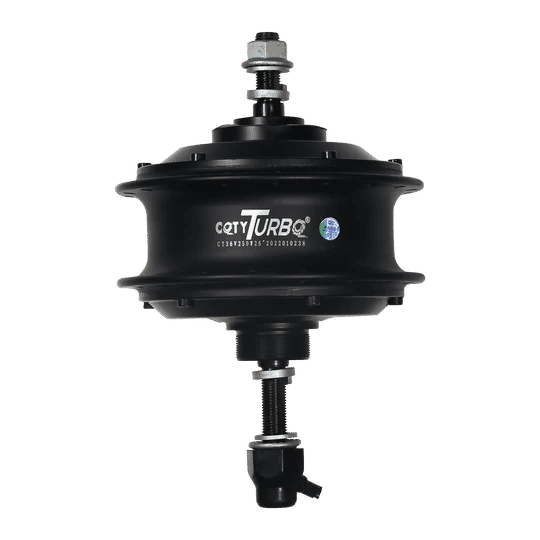
- Effortless Commutes: High-efficiency 250W BLDC hub motor (25 km/h top speed) with smooth pedal assist for daily city travel.
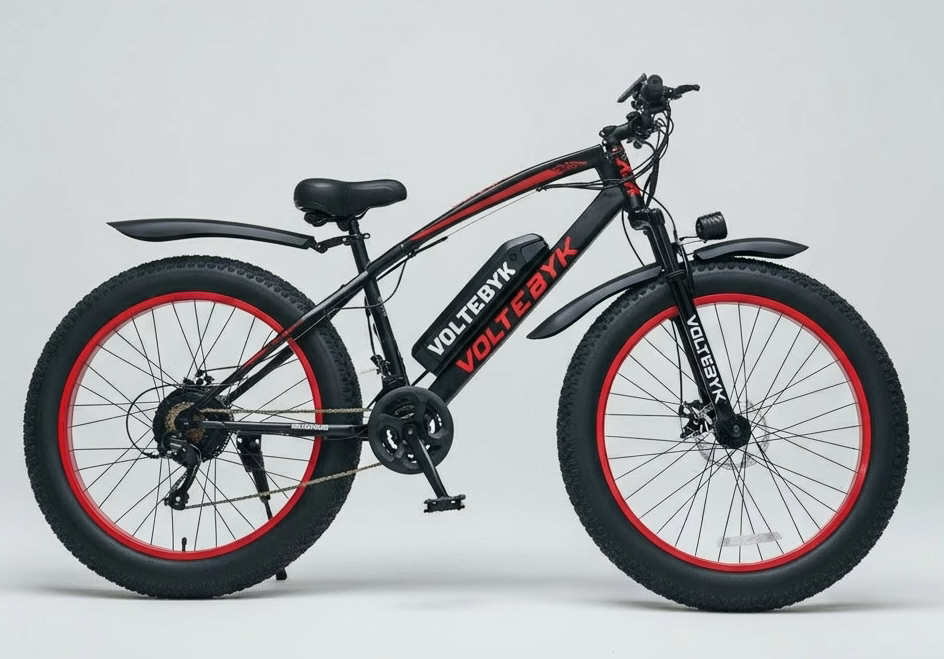
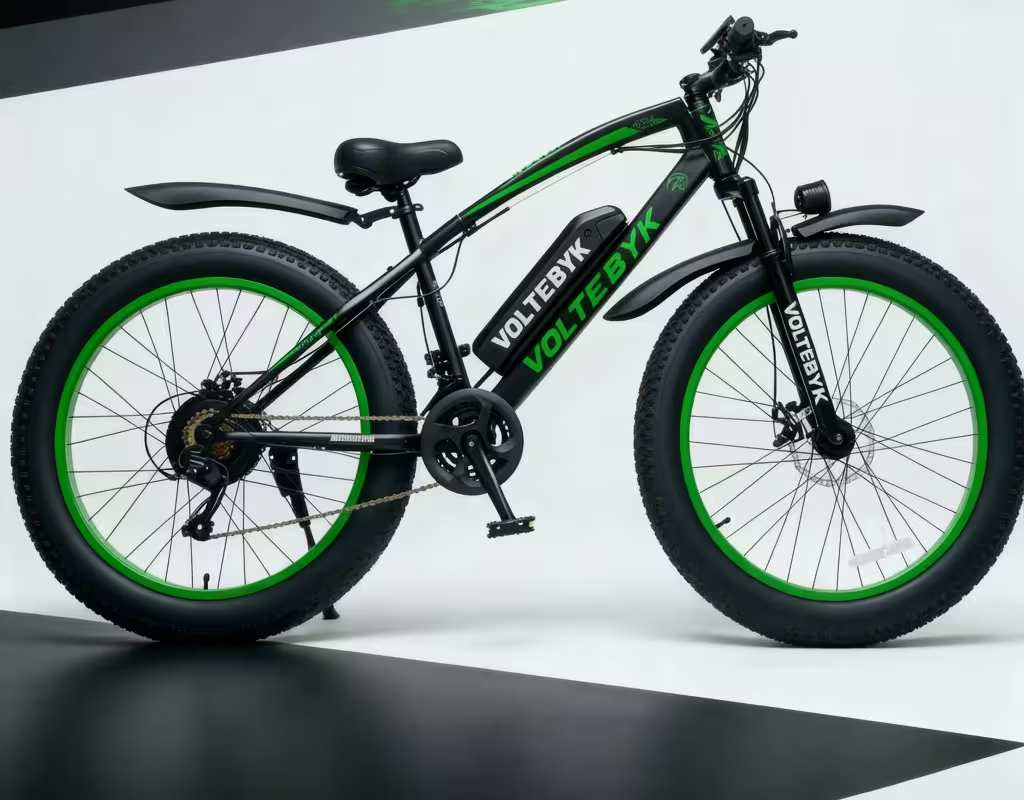
- Top Voltebyk Picks: Voltebyk Max Pro for urban commutes and Runner Pro Fat Bike for all-terrain riding.
- DIY Conversion: Electrify your current bicycle for under ₹10,000 using a Voltebyk 250W conversion kit.
Why a Checklist Matters for Indian Riders
The Indian bicycle market is incredibly diverse, with varying frame sizes, axle types, and wheel diameters. A kit that works on a standard road bike might not fit a fat bike or a vintage steel frame. Furthermore, the harsh Indian climate and road conditions demand higher quality components than what you might find on generic international sites. A comprehensive checklist saves you time, money, and frustration.
At Voltebyk, we want your conversion journey to be as smooth as the ride itself. Our team has helped thousands of riders electrify their bikes, and we've distilled that experience into this ultimate checklist. Whether you're looking for a budget commute solution or a high-performance off-roader, following these steps will guarantee a perfect match.
Top Voltebyk Kits to Consider
Once you've gone through the checklist, explore our range of verified and high-performance kits:
- Voltebyk 250W Standard Hub Kit: View Kit - Perfect for city cycles and students. Price: Rs 8,990.
- Runner Pro Fat Bike Kit: Read Review - Optimized for heavy-duty 4-inch tire fat bikes.
The Ultimate Pre-Purchase Checklist
Go through these 5 critical points before you click "buy":
- Wheel Size and Type: Measure your wheel diameter (26", 27.5", or 29") and check if you need a front or rear hub motor. Rear motors are generally better for traction but require checking cassette compatibility.
- Dropout Width: Measure the distance between your fork or frame arms where the axle sits. Standard is 100mm (front) and 135mm (rear), but fat bikes differ significantly.
- Battery Mounting Space: Ensure your frame has enough space for the battery pack. Check for bottle cage mounts or plan for a rear rack mount. See our battery guide.
- Motor Power vs. Legal Limits: Ensure the motor is 250W if you want to avoid license requirements. Check our 350W vs 250W guide for more info.
- Brake Compatibility: Does the kit support your existing brakes (V-brakes or Disc brakes)? Check our spares section for compatible brake levers.
Frequently Asked Questions
Do I need special tools for the conversion?
Most conversions require standard bicycle tools like a wrench set and screwdrivers. Some kits might need a bottom bracket tool or a freewheel remover. We recommend reading our DIY guide for a full tool list.
Can I use my own battery with a Voltebyk kit?
Technically yes, if the voltage matches, but we strongly recommend using Voltebyk batteries for guaranteed compatibility and safety protection.
Ready to Buy with Confidence?
A little preparation goes a long way. Use this checklist to narrow down your options and choose the kit that will best serve your needs. If you're still unsure, our experts at any Voltebyk store are happy to help you measure your bike and pick the perfect kit. Start your conversion journey today and experience the thrill of your own custom-built electric bicycle!
.jpg?tr=w-1200%2Cq-55%2Cf-auto%2Cc-at_max)