The Electric Cycling Revolution
The electric bicycle industry is experiencing unprecedented growth and innovation. As we move forward into 2026, several key trends are reshaping how we think about sustainable transportation and urban mobility.
⚡ Quick Summary & Key Takeaways (2026 Guide)
- Zero Petrol Expenses: Daily running cost under 15 paise/km with high-efficiency 36V Lithium-ion technology.
- Effortless Commutes: High-efficiency 250W BLDC hub motor (25 km/h top speed) with smooth pedal assist for daily city travel.
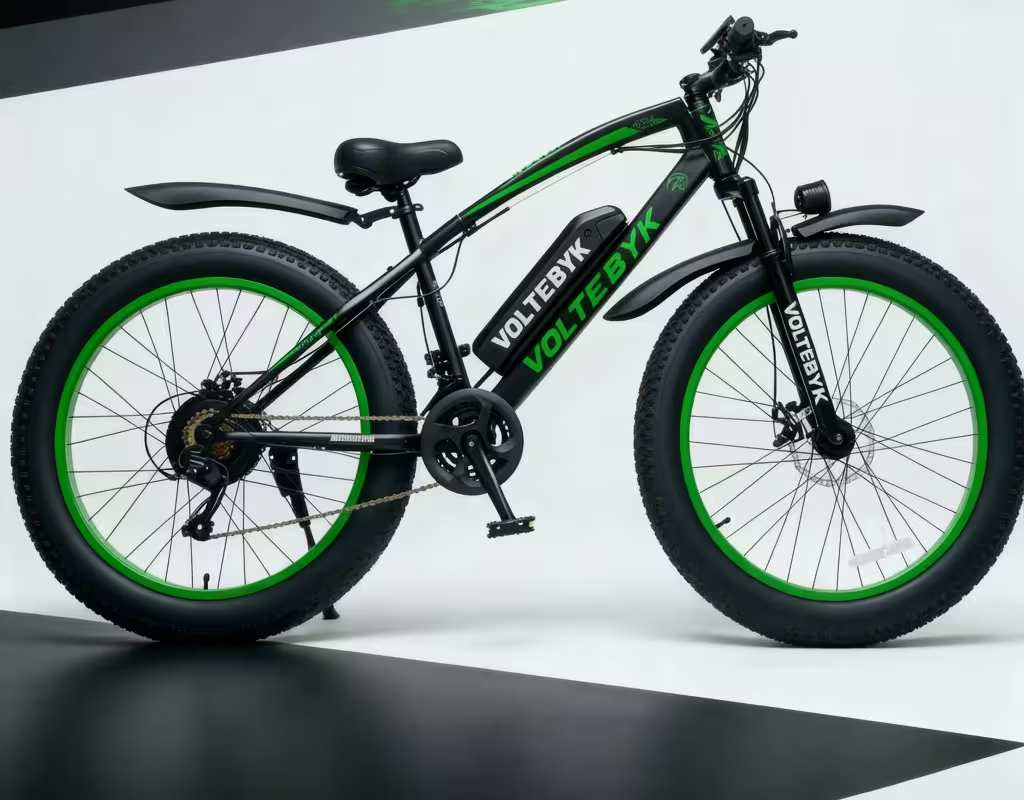
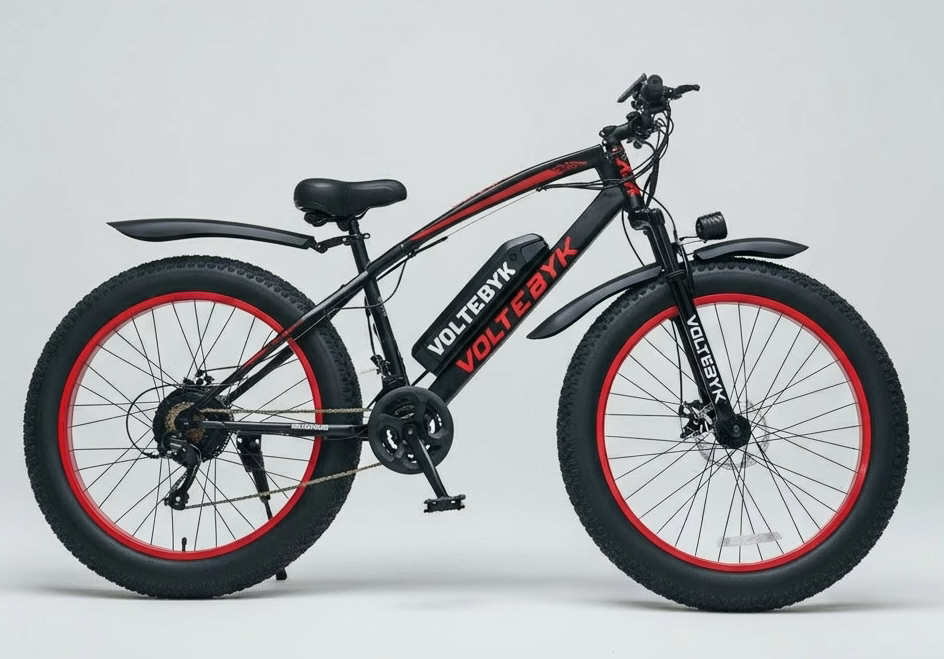
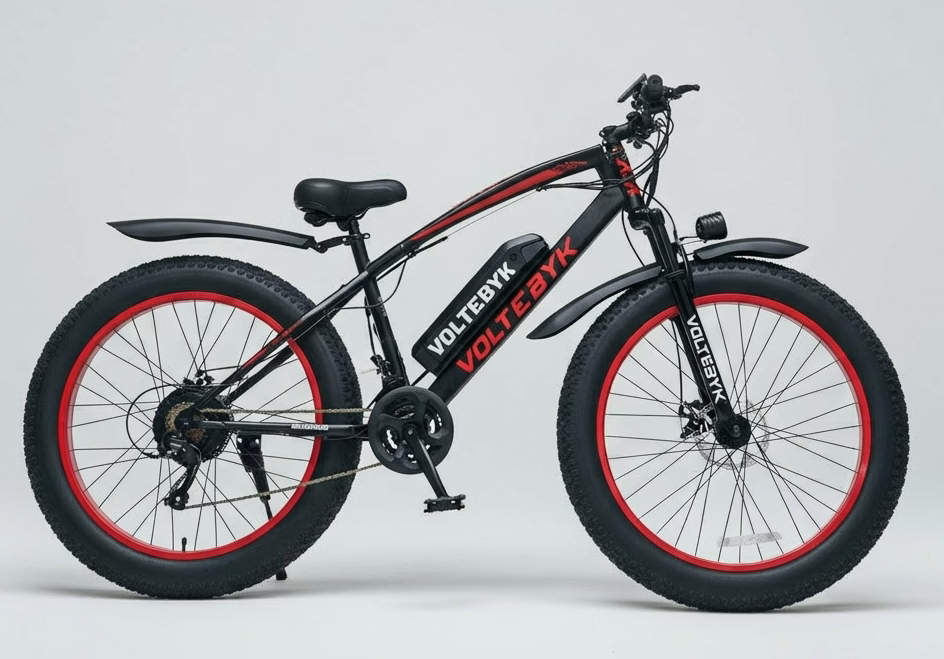
- Top Voltebyk Picks: Voltebyk Max Pro for urban commutes and Runner Pro Fat Bike for all-terrain riding.
- DIY Conversion: Electrify your current bicycle for under ₹10,000 using a Voltebyk 250W conversion kit.
Key Innovations Shaping 2025
Recent advances in battery technology have made electric bicycles more efficient and practical than ever before. Modern lithium-ion batteries offer extended range, faster charging times, and improved durability.
Smart Connectivity
Integration with smartphone apps and IoT devices is becoming standard, allowing riders to track their journeys, monitor battery health, and customize their riding experience with unprecedented precision. Features like GPS navigation, theft tracking, and performance analytics are now common.
Environmental Impact
Electric bicycles represent a significant step towards reducing carbon emissions in urban areas. By choosing an e-bike over a car for short trips, riders can dramatically reduce their environmental footprint while enjoying health benefits. The shift towards sustainable materials in frame construction and component manufacturing is also gaining momentum.
AI-Powered Riding Assistance
Artificial intelligence is beginning to play a role in e-bike systems, with smart pedal assistance that adapts to terrain, rider behavior, and weather conditions. These systems optimize battery usage and provide a more personalized riding experience.
Looking Ahead to 2025 and Beyond
The future of electric cycling is bright. With continued innovation in motor efficiency, battery technology, and smart features, e-bikes are set to become an even more attractive option for commuters and enthusiasts alike. Integration with smart city infrastructure and shared mobility platforms will further enhance their appeal.
Whether you're considering your first e-bike purchase or looking to upgrade, staying informed about these trends will help you make the best decision for your needs and contribute to a more sustainable future.
Frequently Asked Questions
What regulations apply to riding a Voltebyk electric cycle in India?
All Voltebyk electric cycles are engineered with a 250W continuous rated BLDC motor and a 25 km/h top speed, adhering to Central Motor Vehicle Rules (CMVR) for standard pedal-assisted bicycles for convenient and effortless daily commuting.
What is the monthly electricity cost to charge a Voltebyk e-bike battery?
A full charge for our standard 36V 7.8Ah or 9Ah lithium-ion battery consumes under 0.4 units of electricity (costing approx ₹3 to ₹5 per charge). For a 25 km daily commute, your monthly electricity cost will be under ₹100, saving you over ₹20,000 annually compared to petrol scooters.
Ready to Transform Your Daily Commute?
Stop wasting hours sitting in city traffic and spending thousands on petrol. Upgrade your lifestyle with a Voltebyk electric cycle today! Explore our complete lineup in the electric cycles catalog, convert your current bike with a 250W e-bike conversion kit, shop genuine electric cycle spares, or locate your nearest store with our store locator today!